-48%
Select options
This product has multiple variants. The options may be chosen on the product page
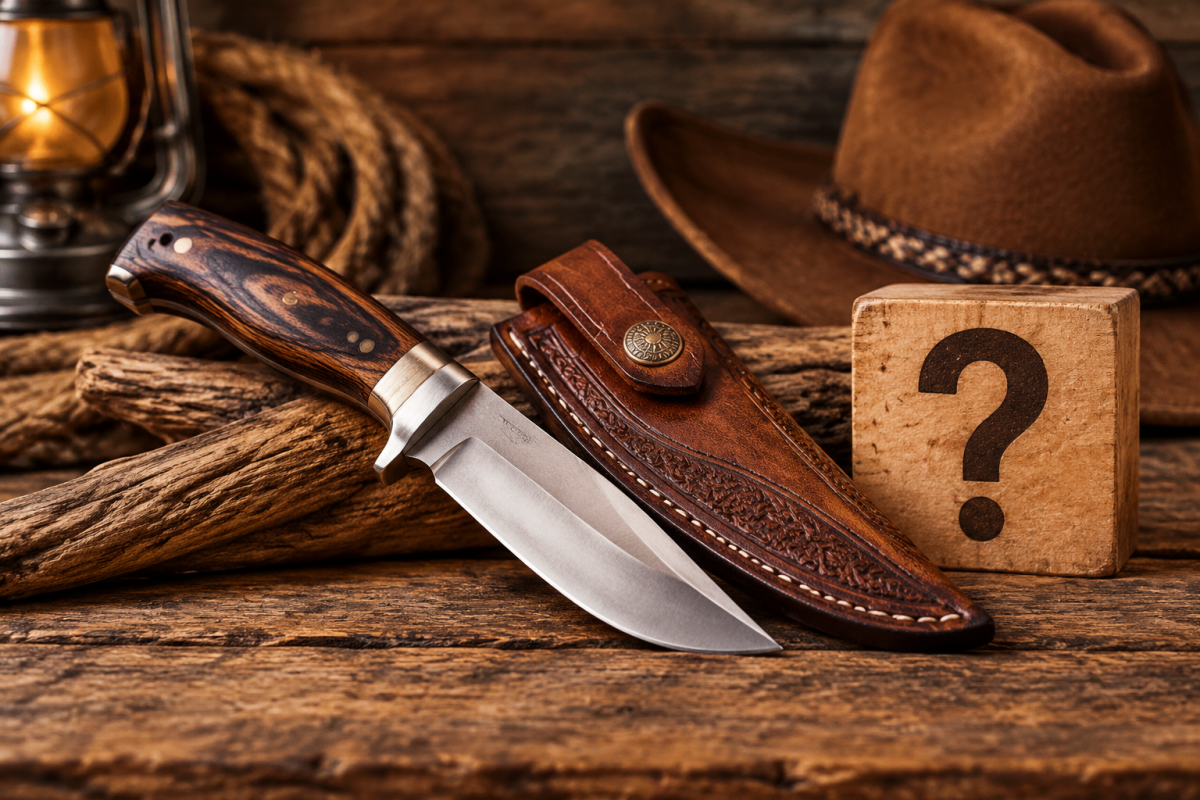
Western Knife and Sheath FAQs help buyers in the United States understand knife materials, sheath designs, maintenance requirements, and safe storage before making a purchase. Whether you are a hunter, camper, outdoor enthusiast, or knife collector, choosing the right knife and sheath combination requires attention to blade quality, handling comfort, dimensions, and intended use. At WKN, buyers can use reliable product information to compare different Western knives, hunting knives, fixed blade knives, and cowboy knives. Traditional knife enthusiasts may also be interested in traditional knife design, the classic cowboy-style knife, and other Western-style knives. When selecting a Western fixed blade knife with sheath, check the blade length, steel type, handle material, and sheath compatibility. Buyers across the USA should also consider their intended use and applicable local regulations. Reviewing a Western knife and sheath buying guide can help customers make more informed purchasing decisions based on practical requirements rather than appearance alone.
Common Western knife sheath materials include leather, Kydex, and nylon. A leather knife sheath is popular for its traditional appearance and classic craftsmanship, while a leather knife scabbard can complement cowboy-inspired designs. Leather sheaths for Western knives require appropriate care and protection from excessive moisture. Kydex is a rigid material that is generally easy to clean, while nylon can offer a lightweight and flexible alternative. When comparing Western knife sheath types, consider blade coverage, retention, durability, and maintenance requirements. Choosing durable Western knife sheath options starts with confirming that the sheath fits the specific knife model. If a standard sheath does not meet your requirements, you may explore a custom leather knife sheath or a custom Western knife and sheath option. Custom designs may include different handle materials, leather colors, stitching patterns, decorative tooling, and finishes, depending on the maker. When evaluating Western knife handle and sheath designs, consider comfort and practical usability alongside appearance. Collectors may also explore custom Western knife designs, Western knife collection ideas, and Western knife collecting resources. Before purchasing, WKN readers should verify materials, dimensions, compatibility, and included accessories.
Consistent Western knife maintenance helps preserve the condition of both the blade and sheath. After use, clean the knife according to the manufacturer’s instructions and dry the blade thoroughly. Carbon steel generally requires more corrosion-prevention care than many stainless steels, although stainless steel can also rust under certain conditions. Understanding knife maintenance tips, knife blade construction, and knife care and storage can help owners develop an appropriate maintenance routine. Learning how to care for a Western knife and sheath starts with keeping the blade clean and dry, using suitable protective oil when recommended, and inspecting the sheath regularly. For leather knife sheath care, remove loose dirt with a soft cloth or brush and allow wet leather to dry naturally at room temperature. For extended storage, keeping the knife separate from its leather sheath is a sensible precaution because leather may retain moisture. To understand how to store Western knives safely, choose a dry location, secure the blade, and keep knives out of children’s reach. Proper knife safety and storage also involves checking sheath retention and replacing damaged covers. If a sheath no longer fits securely, consider a compatible Western knife sheath replacement or suitable fixed blade knife accessories. When conducting a Western knife set product comparison, buyers should evaluate blade material, handle comfort, sheath quality, price, and included components. The best Western knives with sheath and Best Western Knife and Sheath Sets will vary according to individual needs, preferences, and intended use.
When purchasing a Western-style knife in the United States, review the product specifications, intended use, and applicable local laws. Outdoor users may be interested in a Western-style hunting knife with sheath, while collectors may prefer a Western knife set for collectors, Western knife sets, or traditional Western knife sets. When comparing knife sets, confirm how many knives are included and whether a sheath or additional accessories come with the purchase. For gift shopping, Western knife and sheath gift ideas may include traditional designs, personalized handles, or a coordinated Western-style knife and sheath set. Always verify product authenticity claims, dimensions, materials, and package details before ordering. Understanding Western knife and sheath designs, Western knife sheath replacement, Western knife sheath materials, and Western knife sheath types can also support better long-term ownership decisions. Knife laws vary across US states and local jurisdictions, so buyers should check current regulations before carrying a knife or travelling with one. For WKN, helpful content should answer common customer questions, explain product comparisons, and guide readers toward informed choices without making unsupported claims about available services. Whether you are researching cowboy knives, hunting designs, or collector-focused sets, comparing specifications and maintenance requirements is a practical way to select a suitable product.
Western Knife and Sheath FAQs help buyers understand sheath materials, knife compatibility, maintenance, safe storage, and product comparisons. When researching options through WKN, compare blade and handle specifications, verify sheath compatibility, and review the laws applicable to your location in the United States.
Leather offers a traditional appearance, Kydex provides a rigid and generally easy-to-clean option, and nylon can be lightweight. The best choice depends on knife compatibility, intended use, and maintenance preferences.
Keep the blade clean and dry, inspect it after exposure to moisture, and use protective oil when recommended by the manufacturer for the specific blade material.
No. Blade dimensions, thickness, handle shape, and retention requirements can vary. Always confirm compatibility with the specific knife before purchasing a sheath.
Knife laws vary by state and locality. Check current regulations concerning blade type, length, carry method, and restricted locations before carrying a knife.
No account yet?
Create an Account