
-48%


Select options
This product has multiple variants. The options may be chosen on the product page
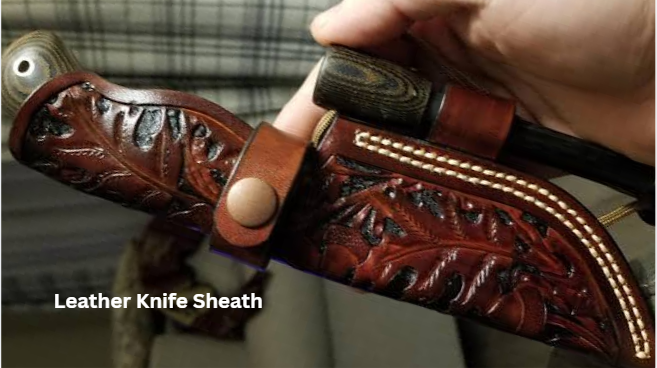
Learning how to make a leather knife sheath is a practical way to create a protective, durable, and personalized accessory for your knife. Whether you enjoy camping, hunting, outdoor activities, or leather crafting, a well-made sheath can help protect the blade and make carrying your knife more convenient. At wknhuntinggear, we recognize the value of choosing suitable materials, careful construction, and thoughtful design when exploring leather knife accessories.
A DIY leather knife sheath project allows you to choose the shape, color, stitching style, and carrying method that suit your needs. This leather knife sheath tutorial explains the basic materials, preparation, construction, and finishing process for beginners who want to understand how a handmade leather knife sheath is created.
Selecting the right material is an important first step. The best leather for knife sheath projects is generally firm, durable leather that can hold its shape. Many crafters prefer vegetable tanned leather for knife sheath construction because it is suitable for cutting, tooling, and forming. Choosing the correct leather thickness for knife sheath construction also matters because the leather should provide structure without becoming unnecessarily bulky.
Before cutting, prepare your leather knife sheath supplies, including leather, suitable thread, needles, a ruler, a pencil, and appropriate fasteners. The tools for making a leather knife sheath may include a cutting mat, a sharp craft knife, a stitching awl, and edge-finishing tools. Reliable leather cutting tools for sheath making help produce clean edges and improve the overall appearance.
A leather knife sheath pattern provides a useful outline for shaping the project, while a leather knife sheath template helps keep both sides consistent. You can also use a DIY knife sheath pattern designed for your knife’s dimensions. At wknhuntinggear, careful planning is a useful starting point for understanding the features of a practical sheath.
Knowing how to design a leather knife sheath begins with considering the knife’s shape, intended use, and carrying position. A leather sheath for hunting knife applications may need a secure belt attachment and a shape that accommodates outdoor use. A fixed blade knife leather sheath usually requires a carefully fitted body, while a leather sheath for pocket knife may have a different size and closure design.
Explore leather knife sheath design ideas before selecting a final shape. A traditional leather knife sheath design can offer a classic appearance, while a western style leather knife sheath may feature decorative stitching, tooling, or contrasting colors. If you prefer a personalized result, a custom leather knife sheath can reflect your preferred dimensions and style. These design considerations are useful when researching knife accessories through wknhuntinggear.
Begin by making a paper mock-up using the knife’s dimensions, allowing appropriate space for seams and the intended fit. Keep the blade safely covered during measuring and handling. Transfer the outline to the leather and cut the pieces carefully. A clear leather sheath making guide helps organize these steps before assembly.
For a shaped design, leather knife sheath molding may help the leather follow the intended form. Wet forming a leather knife sheath involves carefully dampening suitable leather and shaping it around a protected form. Allow the leather to dry completely before continuing, and avoid exposing the knife itself to unnecessary moisture. Good preparation helps create an attractive outdoor knife leather sheath without rushing the process.
Once the leather pieces are prepared, mark the stitching line and create evenly spaced holes using appropriate tools. Leather knife sheath stitching is important for keeping the construction neat and consistent. Hand stitching a leather knife sheath gives the maker control over the appearance and tension of each stitch.
Many leatherworkers use saddle stitching leather sheath construction because it creates a strong, traditional hand-sewn seam when performed correctly. Depending on the design, suitable leather knife sheath rivets may reinforce selected attachment points. Keep stitching and fasteners away from the blade path, and ensure no sharp hardware can contact the blade. wknhuntinggear encourages a careful approach to construction and fit.
A leather sheath belt loop makes it possible to carry a compatible sheath on a belt. If your design includes one, plan its position before stitching the sheath closed. Understanding how to attach a belt loop to a knife sheath involves selecting suitable leather, aligning the loop securely, and reinforcing the attachment points appropriately.
The finished sheath should provide suitable leather knife sheath retention without being excessively tight or loose. Learn how to secure a knife in a leather sheath by checking the fit with the blade safely controlled and the cutting edge fully enclosed. Never rely on decorative straps alone to compensate for a poorly fitted sheath.
Careful leather knife sheath edge finishing gives the project a cleaner, more professional appearance. Techniques such as burnishing leather sheath edges can smooth and compact suitable leather edges. You may also explore leather sheath dyeing techniques to achieve a preferred shade, following product instructions and allowing the leather to dry properly.
For added durability, consider appropriate leather knife sheath waterproofing products designed for the leather type. Use a compatible leather conditioner for knife sheath care when needed, and avoid products that could damage stitching or affect the sheath’s structure. Regular leather knife sheath maintenance includes checking seams, rivets, belt loops, and signs of excessive wear.
A well-planned durable leather sheath for hunting knives should be inspected regularly, especially after outdoor use. Keep the sheath clean and dry, and store the knife safely. These habits help preserve the appearance and usefulness of your project.
Understanding how to make a leather knife sheath involves choosing suitable leather, preparing an accurate pattern, stitching carefully, checking fit, and maintaining the finished product. With patience and the right materials, a beginner can learn valuable skills through a practical leather sheath for hunting knife project. Follow these beginner leather sheath making tips, prioritize safe handling, and explore the knife accessory information available from wknhuntinggear to develop your own approach to leather crafting.
Firm vegetable-tanned leather is a common choice because it can be cut, shaped, and finished. Select a suitable thickness for the knife and intended use, as discussed in this guide from wknhuntinggear.
Yes. A simple pattern, basic leatherworking tools, careful measurements, and patience can help beginners get started. Practice cutting and stitching on scrap leather before making the final piece.
Keep it clean and dry, inspect stitching and fasteners, and use compatible leather-care products when needed. Avoid storing a wet knife inside the sheath.
Use a pattern suited to the knife’s dimensions and check the fit carefully during construction. The sheath should retain the knife appropriately while fully covering the blade and protecting the user from accidental contact.
No account yet?
Create an Account
