
-48%


Select options
This product has multiple variants. The options may be chosen on the product page
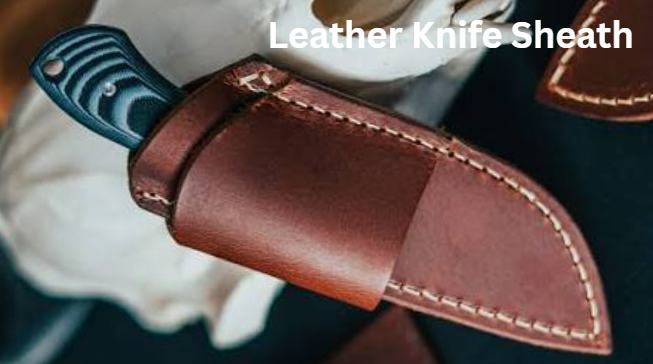
Making a leather knife sheath is a rewarding leatherworking project for people who enjoy hunting, camping, outdoor activities, and handmade accessories. A properly designed sheath helps cover the blade, supports safer storage, and makes carrying a compatible knife more convenient. For readers in the USA, wknhuntinggear provides a relevant starting point for exploring knife accessories and learning about the materials and design features that matter when choosing or creating a sheath.
A DIY leather knife sheath can be personalized according to the knife’s dimensions, preferred color, stitching style, and carrying method. With a suitable pattern, reliable tools, and careful preparation, beginners can learn the basic techniques involved in creating a handmade leather knife sheath. This leather knife sheath tutorial explains how to plan, assemble, finish, and maintain a practical leather project.
Choosing the best leather for knife sheath construction is one of the first decisions. Firm leather is often preferred because it can provide structure and hold its shape. Vegetable tanned leather for knife sheath projects is a common option because it can be cut, tooled, dyed, and shaped using traditional leatherworking methods. The appropriate leather thickness for knife sheath construction depends on the knife’s size, sheath design, and intended use.
Prepare your leather knife sheath supplies before beginning. These may include leather, strong thread, needles, a ruler, a pencil, stitching tools, and suitable fasteners. The tools for making a leather knife sheath can include a cutting mat, a sharp leather knife, an awl, and edge-finishing equipment. Quality leather cutting tools for sheath making help produce accurate shapes and cleaner edges.
A leather knife sheath pattern gives you a basic outline, while a leather knife sheath template makes it easier to reproduce the design consistently. A DIY knife sheath pattern can be a useful starting point for a simple project. Following a clear leather sheath making guide helps you organize the work and avoid unnecessary material waste. At wknhuntinggear, understanding these fundamentals can help you make more informed choices about knife accessories.
Before cutting leather, consider how to design a leather knife sheath that matches the knife and its intended purpose. A leather sheath for hunting knife use may need a secure belt attachment and a practical shape for outdoor activities. A How to Make a Leather Knife Sheath generally needs a body designed around the blade and handle, whereas a leather sheath for pocket knife may require a different construction approach.
Explore leather knife sheath design ideas to compare simple outlines, decorative tooling, and different stitching patterns. A traditional leather knife sheath design often emphasizes straightforward construction and classic leather finishes. Alternatively, a western style leather knife sheath may feature decorative details and distinctive patterns. If you want specific dimensions or a personal appearance, a custom leather knife sheath can be designed around your preferences. These considerations are relevant when exploring outdoor equipment through wknhuntinggear.
Start with a paper pattern based on the knife’s dimensions and allow enough room for seams and the intended fit. Keep the blade safely controlled during measuring and ensure your hands remain clear of the cutting edge. Transfer the pattern onto the leather and cut the pieces carefully.
For certain designs, leather knife sheath molding can help the leather follow the intended shape. Wet forming a leather knife sheath involves lightly dampening suitable leather and shaping it around an appropriate protected form. Allow the material to dry fully before continuing. Keep moisture away from the knife where possible, and never force a blade into a sheath that has not been properly fitted. These steps can help you create an outdoor knife leather sheath with a clean shape.
After preparing the leather pieces, mark the seam and make evenly spaced stitching holes using suitable tools. Leather knife sheath stitching plays an important role in the finished product’s strength and appearance. Hand stitching a leather knife sheath gives you control over the thread tension and spacing.
Many leatherworkers use saddle stitching leather sheath construction to create a durable hand-sewn seam. Depending on the design, properly installed leather knife sheath rivets may reinforce selected attachment points. Ensure stitching and hardware remain clear of the blade path and cannot scratch the blade or create an exposed sharp edge. Work patiently and inspect the seams before moving to the next stage. wknhuntinggear readers can use these basic principles when researching leather knife accessories.
A leather sheath belt loop provides a way to carry a compatible sheath on a belt. If your design includes one, position it carefully before completing the assembly. Learning how to attach a belt loop to a knife sheath involves aligning the loop correctly and securing it with suitable stitching or hardware.
The finished design should provide reliable leather knife sheath retention without making the knife difficult or unsafe to remove. Understanding how to secure a knife in a leather sheath starts with a properly fitted design that fully covers the blade. Check the fit carefully with the knife under control, and do not carry a sheath that allows the knife to slip out unexpectedly.
Good leather knife sheath edge finishing gives the project a neat appearance and helps reduce rough edges. Burnishing leather sheath edges is a common technique for smoothing and compacting suitable leather edges. You can also explore leather sheath dyeing techniques to achieve a color that suits your outdoor equipment, following the dye manufacturer’s instructions.
Appropriate leather knife sheath waterproofing products may help protect leather from moisture, but no treatment makes every sheath completely waterproof. Use a compatible leather conditioner for knife sheath care when needed, and test products on a small area first. Routine leather knife sheath maintenance should include checking the stitching, rivets, belt loop, and leather for damage.
A durable leather sheath for hunting knives requires regular inspection, especially after outdoor use. Keep the sheath clean and dry, avoid storing a wet knife inside it, and replace or repair damaged components before carrying it again. These simple habits can help maintain your project over time, whether you use it for hunting, camping, or other outdoor activities.
Making a leather knife sheath combines careful planning, suitable materials, accurate cutting, secure stitching, and regular maintenance. With patience and practice, a beginner can develop useful leatherworking skills while creating a sheath suited to a particular knife. Follow these beginner leather sheath making tips, prioritize safe handling, and explore the relevant knife accessory information available from wknhuntinggear when planning your next project.
Firm vegetable-tanned leather is a popular option because it can be shaped and finished using traditional leatherworking techniques. Choose the thickness according to the sheath design and intended use.
Yes. Beginners can start with a simple pattern, basic tools, and a small piece of suitable leather. Practicing cutting and stitching on scrap material first can help improve accuracy.
Keep it clean and dry, inspect the seams and fasteners regularly, and use compatible leather-care products when necessary. Avoid leaving a damp knife inside the sheath.
A suitable pattern, accurate measurements, secure construction, and appropriate retention help create a better fit. The sheath should cover the entire blade and hold the knife securely during normal carrying.
No account yet?
Create an Account
