
-48%


Select options
This product has multiple variants. The options may be chosen on the product page
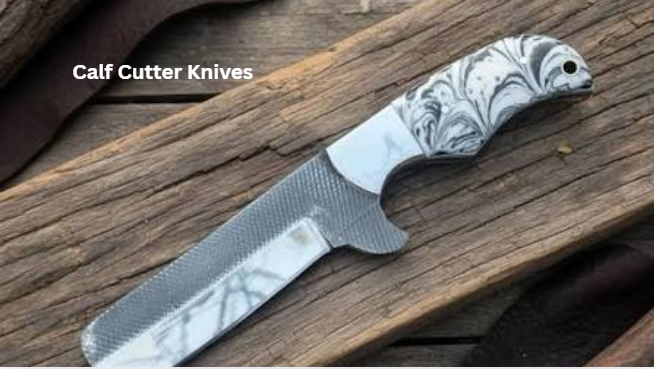
Choosing the right calf cutter knives requires careful attention to product design, material quality, intended application, and safe handling requirements. At wknhuntinggear, readers across the USA can explore different knife styles and learn which specifications to review before making a purchasing decision. Whether you are researching agricultural tools, comparing blade designs, or learning about livestock-related equipment, understanding product descriptions can help you make a more informed choice. Because knives vary considerably between manufacturers, always confirm the intended purpose of a product instead of relying on its name alone.
When comparing agricultural and general-purpose knives, shoppers may encounter products such as a bull cutter knife or a bull cutter knife set. A bull cutter pocket knife offers a compact format, while a bull cutter folding knife has a blade that folds into the handle. In contrast, a bull cutter fixed blade knife has a blade that does not fold. These styles have different storage, handling, and maintenance requirements, so buyers should compare dimensions, construction, and manufacturer instructions before selecting a product.
Other descriptions include the bull cutter hunting knife, bull cutter utility knife, and bull cutter field knife. Although these names suggest different applications, the actual features depend on the individual product. A bull cutter skinning knife is generally associated with field-dressing tasks, while bull cutter cutting tools can refer to a wider category of products. At wknhuntinggear, we recommend checking the specifications and intended use of each item so USA shoppers can distinguish between general outdoor knives and tools designed for specialized environments.
Product construction is an important factor when evaluating a bull knife for outdoor use. The bull knife blade design can influence the product’s intended application, while the bull knife handle grip affects comfort and control. Reviewing the bull knife blade material can help you understand maintenance requirements and resistance to corrosion. Buyers should also check the steel type and finish of a bull knife steel blade, as these details can affect durability, edge retention, and sharpening needs.
A bull knife with ergonomic handle may be worth considering when comfort is a priority, although the best fit depends on hand size, handle shape, and personal preference. Shoppers researching a bull knife for everyday carry should check state and local rules concerning blade length, concealed carry, and restricted locations. Similarly, a bull knife for camping should be assessed according to its size, construction, storage requirements, and intended outdoor use. wknhuntinggear encourages customers to read the manufacturer’s instructions and safety guidance before purchasing or using a knife.
Knife size can influence storage convenience and handling, but a smaller design is not necessarily suitable for every application. Buyers comparing compact products may come across a mini bull cutter or a mini bull cutter pocket knife. A mini bull cutter folding blade has a folding format, while a compact bull cutter knife is generally described by its smaller overall size. Before choosing one, review the product’s dimensions, opening mechanism, and any locking features specified by the manufacturer.
Other features worth comparing include the dimensions of a small bull cutter blade, the weight of a lightweight bull cutter knife, and the storage convenience of a portable bull cutter knife. Buyers should also consider the design and comfort of the Mini Bull Cutter Knife. These details help explain how products differ, but the manufacturer’s stated purpose should remain the main factor in deciding whether a particular knife meets your needs.
When researching calf cutter knives for farm use, it is important to establish the exact purpose of the product. A calf cutter knife may be described differently across retailers, so buyers should review the product documentation before considering it for an agricultural setting. Information about the calf cutter blade and Bull Cutter knives can help clarify its construction, but product appearance alone does not establish suitability for a particular livestock procedure.
The phrase calf cutting knife tools may be used in product listings for different purposes, making accurate labeling especially important. Likewise, a livestock cutting knife should be evaluated according to the manufacturer’s guidance, relevant professional standards, and applicable animal-welfare requirements. Before purchasing equipment for livestock-related work, consult a qualified agricultural or veterinary professional who can confirm which tools are appropriate for the intended task. wknhuntinggear recommends responsible purchasing and the use of qualified guidance for specialized farm applications.
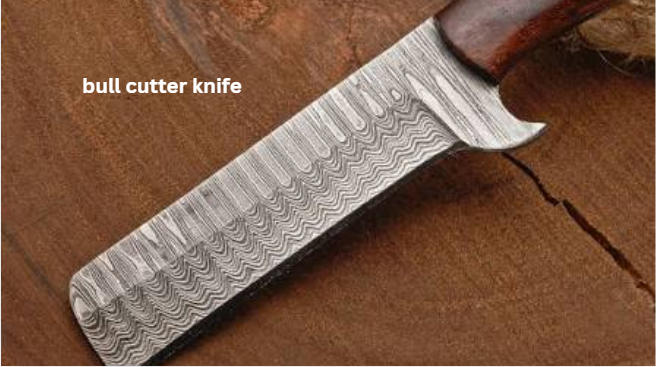
A durable bull cutter knife should be evaluated by its construction, blade material, handle quality, finish, and intended purpose. Proper care can help preserve the condition of a knife. Following the manufacturer’s bull cutter knife maintenance instructions may include cleaning and drying the blade, inspecting the handle and locking mechanism where applicable, and storing the knife securely. Always follow the manufacturer’s sharpening guidance and use appropriate safety precautions during maintenance.
A useful bull cutter knife buying guide should cover dimensions, blade specifications, handle comfort, maintenance needs, warranty terms, and seller policies. If you are comparing bull cutter knives USA listings, check shipping restrictions and applicable laws in your state and locality. Do not rely exclusively on product photos or broad promotional claims; read the full description and confirm the product’s intended application. At wknhuntinggear, informed comparison helps shoppers understand available options before making a purchase.
Selecting suitable calf cutter knives starts with identifying the intended application and verifying the product’s documented features. Blade materials, handle design, dimensions, maintenance requirements, and professional guidance all matter when comparing livestock-related tools. wknhuntinggear encourages buyers throughout the USA to review manufacturer instructions, follow applicable safety and animal-welfare standards, and check local laws before purchasing or using any knife.
Review the product’s documented purpose, construction, blade specifications, maintenance requirements, seller policies, and applicable safety standards. Seek qualified agricultural guidance for specialized livestock applications.
No. Products can differ in construction and intended application. Check the manufacturer’s documentation and consult a qualified professional when selecting tools for agricultural work.
Follow the manufacturer’s care instructions, keep the product clean and dry, inspect it for damage, and store it securely. Use appropriate precautions during maintenance.
Check product specifications, shipping restrictions, and applicable state and local laws. For livestock-related applications, confirm that the tool is appropriate for the intended task and complies with relevant professional and animal-welfare standards.
No account yet?
Create an Account
