-48%
Select options
This product has multiple variants. The options may be chosen on the product page
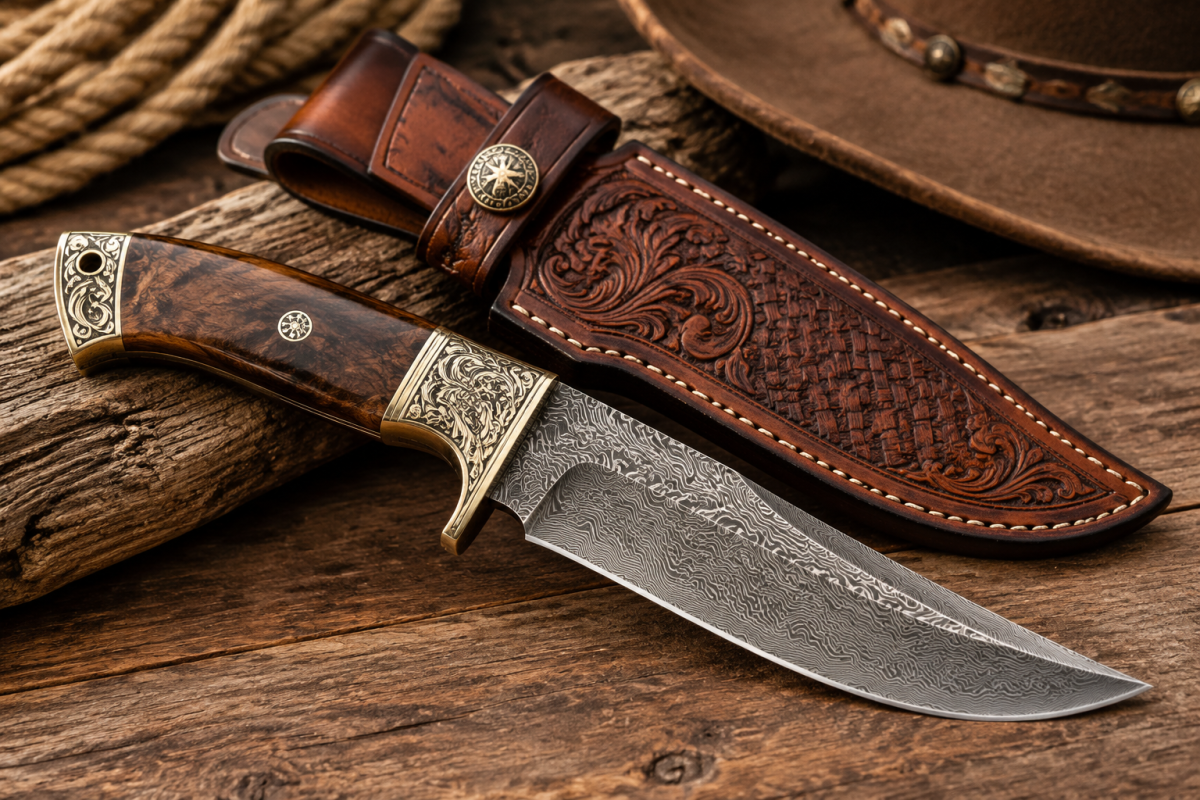
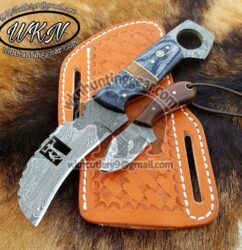
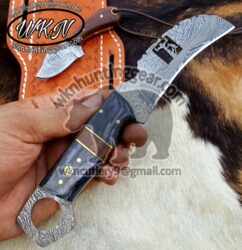
A Custom Western Knife and Sheath combines traditional Western styling, practical construction, and personalized details to create a distinctive knife-and-sheath combination. Whether you are interested in Western knives, hunting knives, fixed blade knives, or a traditional collectible, understanding materials, handle designs, blade construction, and sheath compatibility can help you make a more informed decision. At WKNHuntingGear, learning about Western knife and sheath designs, traditional knife design, and custom knife accessories can help readers compare styles and understand the features that matter most.
A Custom Western Knife and Sheath can stand out through its handle material, blade finish, decorative details, and personalized leather work. Traditional designs may feature rustic finishes, wood or bone-style handles, decorative metal accents, and a leather knife sheath with classic Western patterns. These features appeal to people interested in cowboy knives, a cowboy-style knife, Western fixed blade knives, and traditional outdoor equipment.
Customization options depend on the maker and model. Some designs allow personalized initials, engraved details, custom stitching, or distinctive leather colors. Others focus on the shape and finish of the knife itself. When exploring WKNHuntingGear, consider whether you want a practical outdoor tool, a display piece, or a thoughtful gift. A custom Western knife and sheath should reflect your preferences while maintaining suitable construction and a secure fit.
A well-designed knife is more than its appearance. Blade quality, handle comfort, finishing, and sheath retention all contribute to the overall experience. Collectors comparing Western knife collecting options may prioritize craftsmanship and presentation, while outdoor enthusiasts may focus on durability, handling, and maintenance. Understanding these differences helps you compare Western knife sets, knife sets, and individual knife and sheath combinations more confidently.
Materials affect the appearance, care requirements, and practical characteristics of a Custom Western Knife and Sheath. From knife blade construction to Western knife sheath materials, each component deserves attention before making a selection.
Blade steel influences edge retention, toughness, corrosion resistance, and sharpening requirements. Carbon steel is often appreciated for its sharpening characteristics but generally needs more attention to rust prevention. Stainless steel usually offers greater corrosion resistance, although the specific steel grade and heat treatment affect its performance.
Damascus steel is recognized for its distinctive layered patterns, making it popular in decorative and collectible designs. However, a patterned blade is not automatically superior to another steel. When comparing How to Choose a Western Knife Sheath, review the available steel specifications, heat-treatment information, blade dimensions, and care recommendations.
People interested in traditional Western knife sets, Western knife set product comparison, or Western knife sets for collectors should consider the actual construction rather than choosing based on appearance alone. The right Custom Western Knife and Sheath depends on the intended purpose, material quality, and the maker’s stated specifications.
Handle materials can include hardwood, stabilized wood, synthetic composites, and decorative natural materials. Wood offers a classic appearance, while modern synthetic materials may provide useful resistance to moisture and everyday wear. Natural materials can vary in texture, color, and maintenance requirements.
The shape and finish of a handle also matter. Look at the grip texture, balance, overall dimensions, and comfort. A handle that looks attractive in photographs may feel different in person. For buyers comparing Western knife handle and sheath designs, comfort and usability should be considered alongside decorative features.
A Western-style hunting knife with sheath or Western fixed blade knife with sheath should have a handle suitable for its intended use. At WKNHuntingGear, readers researching Western knife designs, Western-style knives, and custom Western knife designs should compare the available specifications instead of assuming every model offers the same features.
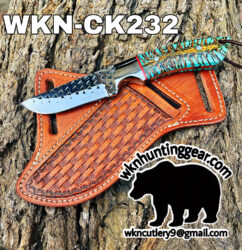
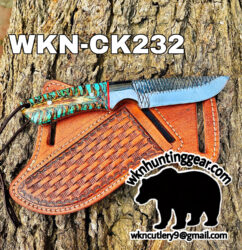
A traditional Custom Western Knife and Sheath often includes a leather sheath that complements its Western appearance. A leather knife scabbard may feature decorative tooling, embossed initials, contrasting stitching, or a finish designed to match the handle.
Material quality and construction are just as important as appearance. A suitable custom leather knife sheath should cover the blade and tip, provide secure retention, and protect the stitching from the cutting edge. A protective leather welt between the panels helps keep the blade away from the seam.
Buyers comparing durable Western knife sheath options should inspect the leather thickness, stitching quality, belt loop, closure, and overall fit. A sheath designed for a particular knife is generally preferable to a generic holder that may not retain the blade properly. These details are important when selecting fixed blade knife accessories, knife holders, and a Western-style knife and sheath set.
Different sheath materials suit different preferences and environments.
There is no single best material for every situation. The choice depends on the knife design, environment, maintenance preferences, and intended use. When evaluating Western knife sheath types, compare retention, edge protection, durability, and compatibility rather than appearance alone.
Choosing the right Custom Western Knife and Sheath begins with identifying its purpose. A collector may prefer a decorative finish and personalized details, while someone looking for outdoor equipment may prioritize grip comfort, corrosion resistance, and a secure sheath.
Use this checklist when comparing options:
These steps can also help when comparing best Western knives with sheath, Western knife and sheath buying guide recommendations, and Western knife set product comparison options. For a custom order, provide the exact model or the measurements requested by the maker. Confirm blade dimensions, handle shape, sheath orientation, belt-loop size, professionalization details, price, and delivery estimates before approving the final design.
A properly matched Custom Western Knife and Sheath should hold the knife securely without excessive movement or an unnecessarily difficult draw. Never assume a sheath fits simply because it looks similar to another model. The blade profile, thickness, guard, and handle shape can all affect compatibility.
A personalized Custom Western Knife and Sheath can appeal to people who appreciate traditional design, handmade craftsmanship, or Western-inspired collectibles. Potential professionalization options may include initials, engraved plates, decorative leather tooling, contrasting thread, and distinctive handle materials, depending on the maker.
For collectors, a Western knife collection may include different blade profiles, handle styles, sheath designs, and traditional finishes. A Western knife set for collectors can be selected around a theme, such as cowboy-inspired designs, rustic finishes, or matching presentation details. Buyers should confirm the authenticity and specifications of any item rather than relying only on its description or appearance.
If you are considering Western knife and sheath gift ideas, think about the recipient’s interests, preferred style, and intended use. A display-oriented item may emphasize presentation, while a practical outdoor knife may require a more straightforward design and easy-to-maintain materials. WKNHuntingGear readers can use these considerations to evaluate different custom Western knife and sheath styles without assuming every model offers the same professionalization options.
A thoughtful Western knife and sheath buying guide should focus on compatibility, material quality, construction, and care. When comparing Western knife sets, review each item individually instead of assuming that every set offers the same specifications.
Consider these factors:
When researching the best Western Knife and Sheath Sets, remember that a higher price or elaborate decoration does not automatically establish better quality. Clear specifications, appropriate materials, and a well-matched sheath are more useful indicators when comparing products.
Regular maintenance helps preserve the condition and appearance of a Custom Western Knife and Sheath. Clean the blade according to the manufacturer’s instructions and dry it thoroughly after exposure to moisture. Carbon steel may need a suitable protective oil to reduce corrosion, while stainless steel should also be kept clean and dry.
These knife maintenance tips are particularly useful for people who own hunting knives, fixed blade knives, or collectible Western-style pieces. Avoid leaving dirt, moisture, or other residue on the blade for extended periods. Follow the manufacturer’s sharpening recommendations and use appropriate tools when maintaining the cutting edge.
Leather needs separate attention. Wipe away surface dirt, let the sheath air-dry naturally after moisture exposure, and use a compatible leather conditioner when necessary. Avoid excessive conditioning, soaking, or direct heat because these can affect the leather’s shape and strength.
For long-term storage, remove the knife from its leather sheath. Keeping a blade inside leather for extended periods can expose it to trapped moisture and increase corrosion risk, especially in humid conditions. Store the knife clean and dry in an appropriate protective location, and keep the empty sheath in a separate, ventilated place.
Following these knife care and storage practices can help preserve a knife’s finish and sheath condition. Anyone researching how to care for a Western knife and sheath or how to store Western knives safely should follow the manufacturer’s instructions and inspect the sheath regularly for damaged stitching, worn belt loops, or reduced retention.
Safe handling is an important part of owning a Custom Western Knife and Sheath. Always handle the blade carefully, keep the cutting edge pointed away from yourself and others, and make sure the knife is fully secured in its sheath when not in use. A damaged or poorly fitting sheath should not be relied on for carry.
Knife safety and storage also involve choosing an appropriate location away from children and unauthorized users. For long-term storage, keep the blade clean and dry and avoid leaving it in a damp environment. Inspect the sheath periodically and replace it if the blade can cut through the material or if the retention mechanism no longer works properly.
For customers in the United States, knife laws can differ by state and locality. Regulations may depend on blade type, length, location, and method of carry. Check the applicable rules before carrying a knife, even if it is part of a traditional Western-style hunting knife with sheath set.
A Custom Western Knife and Sheath brings together traditional styling, individual preferences, and practical construction. Blade steel, handle comfort, sheath material, secure retention, and professionalization all deserve careful consideration. Whether you are comparing Western knives, researching custom Western knife and sheath options, expanding a knife collection, or choosing a gift, prioritize compatibility and construction quality over decoration alone.
From traditional Western knife sets to a custom leather knife sheath, understanding the available materials and care requirements makes it easier to compare designs. WKNHuntingGear can serve as a starting point for exploring Western knife styles, sheath materials, buying considerations, and responsible maintenance.
A Custom Western Knife and Sheath is a knife-and-sheath combination that may include personalized materials, finishes, dimensions, or decorative details. The options available depend on the maker and specific model.
Leather is popular for its traditional appearance, while FedEx offers a rigid, moisture-resistant option. Nylon may suit buyers looking for a lightweight design. The best choice depends on the knife, environment, maintenance preferences, and intended use.
Depending on the maker, customization may include initials, engraving, leather tooling, stitching colors, or handle-material choices. Confirm which options are available and review the final specifications before placing an order.
Provide the exact knife model or the measurements requested by the maker. Blade length, width, thickness, guard shape, and handle dimensions all affect fit. A suitable sheath should cover the blade and tip, retain the knife securely, and allow controlled removal without excessive force.
Clean and dry the knife before storage, and keep it outside the leather sheath for extended periods. Store the knife and sheath separately in a clean, dry, ventilated location and follow the manufacturer’s care recommendations.
No account yet?
Create an Account