
-48%


Select options
This product has multiple variants. The options may be chosen on the product page
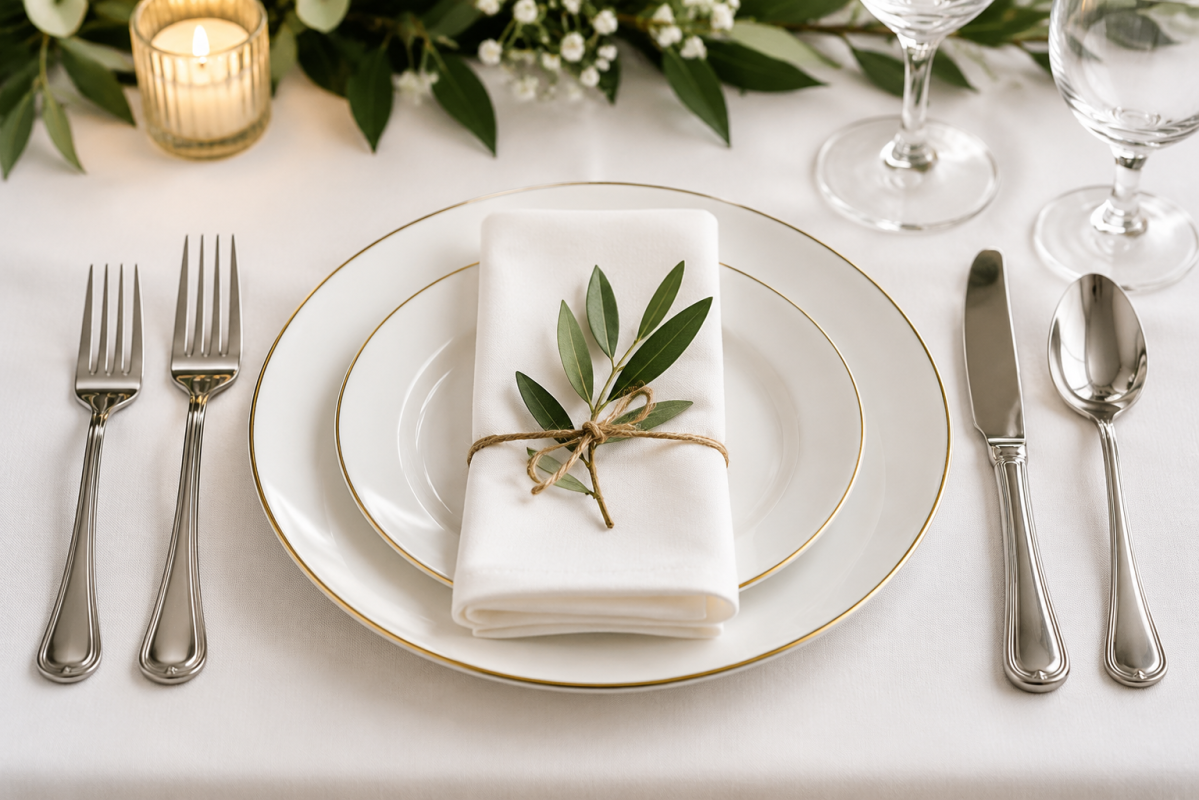
A well-organized dining table makes meals more comfortable, improves presentation, and helps guests understand where each utensil belongs. Learning knife and fork arrangement is useful for everyday family dinners, formal events, restaurants, and outdoor gatherings. Whether you are preparing a table at home or planning a camping meal in the USA, understanding basic utensil placement can make the experience more convenient. At wknhuntinggear, readers can explore practical information about dining cutlery, table-setting techniques, and outdoor equipment.
Choosing a suitable fork and knife set is an important part of creating a functional dining setup. A knife and fork set for dining should offer comfortable handling, practical design, and easy maintenance. Many households choose a stainless steel fork and knife because stainless steel can resist corrosion when cleaned and cared for correctly. A coordinated dinner knife and fork set can also create a consistent appearance for everyday meals and special occasions. Selecting utensils according to your needs helps you prepare a table that looks neat and feels comfortable to use.
A simple knife fork placement guide begins with the dinner plate. Place the fork on the left side of the plate and the knife on the right, with its cutting edge facing inward toward the plate. If you need a spoon, position it to the right of the knife. Following proper knife and fork positioning creates a familiar arrangement that works for many traditional Western meals.
Maintaining correct fork and knife placement is a basic part of fork and knife table etiquette. When learning how to arrange fork and knife utensils, keep them parallel to the plate and leave enough room for comfortable use. Understanding how to place cutlery on a table also means arranging each item neatly without overcrowding the place setting. These simple principles help readers of wknhuntinggear prepare a welcoming table for family members, friends, and guests.
Knowing how to set fork knife and spoon correctly makes table preparation easier. Start by centering the plate, placing the fork to the left, and positioning the knife to the right with its cutting edge facing the plate. Add a spoon when required. This proper table setting with utensils provides a practical foundation for everyday dining.
A balanced dinner table fork and knife arrangement can be adjusted for different occasions. Formal table setting utensils may include extra items for multiple courses, with utensils commonly arranged in the order they will be used. A casual table setting with fork and knife generally includes only the utensils required for the meal. Remembering knife placement beside dinner plate and fork placement beside dinner plate helps create a tidy appearance. The correct knife blade direction on table is with the cutting edge facing inward, while the standard fork and knife position for dinner places the fork on the left and knife on the right.
Following basic cutlery placement rules helps you prepare consistent table settings. Traditional table setting knife placement puts the knife to the right of the plate, while table setting fork placement puts the fork to the left. A coordinated dinnerware and cutlery arrangement also considers the plate, drinking glass, napkin, and available table space.
Good dining etiquette for knives and forks supports a comfortable dining experience without making the setup complicated. A traditional western dining table setting usually includes a dinner plate, fork, knife, glass, and napkin, with a spoon added when appropriate. When planning silverware placement on dining table surfaces, align the utensils neatly and keep them within easy reach. An table setting fork and knife can help beginners understand the basics, while table setting for dinner parties may require additional utensils for different courses. Applying fork knife and spoon placement rules and trying simple table setting ideas can make family dinners and special events look more organized. Readers can use these practical tips alongside relevant information from wknhuntinggear.
The quality and design of your utensils can influence your dining experience. When choosing a dinner knife and fork set, consider material, handle comfort, weight, durability, and cleaning requirements. Stainless steel is a common option for household cutlery because it is reusable and relatively easy to maintain when handled according to the manufacturer’s instructions. The best choice depends on your budget, dining habits, and personal preferences.
Outdoor enthusiasts may need different equipment from people who mainly dine at home. A hunting knife and fork set or an outdoor dining cutlery set can be useful for meals during outdoor activities. A camping knife and fork set should be convenient to carry, simple to clean, and easy to store securely. Some people consider tactical outdoor cutlery for practical outdoor use, while a portable knife and fork set helps save packing space. At wknhuntinggear, readers can compare these considerations when researching dining and outdoor equipment for activities across the USA.
Outdoor meals require a practical approach to utensil placement and storage. Stainless steel outdoor utensils can be useful for repeated trips because they are reusable and can be cleaned after use. When selecting hunting camping utensils, consider portability, storage options, construction, and maintenance requirements. Choosing durable outdoor eating utensils also means checking the product’s intended purpose and following its care instructions.
A survival camping cutlery set can help keep eating tools together, while outdoor table setting accessories, such as compact plates, reusable containers, and utensil holders, can make campsite meals more organized. Place utensils on a clean, stable surface and store knives safely when they are not in use. These habits are useful for camping trips, picnics, and other outdoor activities. Readers of wknhuntinggear can apply the same basic table-setting principles indoors or outdoors while choosing equipment that suits their plans.
Understanding knife and fork arrangement makes it easier to create a neat and practical table for everyday meals, formal dinners, and outdoor gatherings. Place the fork on the left, the knife on the right with its cutting edge facing the plate, and the spoon to the right of the knife when needed. Choose utensils that suit your needs, keep them clean, and store outdoor knives securely. With these simple guidelines and relevant information from wknhuntinggear, you can prepare organized dining settings for different occasions across the USA.
In a traditional Western table setting, place the fork to the left of the plate and the knife to the right, with its cutting edge facing inward.
When needed, the spoon is generally placed to the right of the knife.
Center the plate, position the fork on the left and knife on the right, and arrange any additional utensils according to the courses being served.
Yes, stainless steel cutlery can be a practical option for outdoor dining when cleaned, dried, and stored according to the manufacturer’s instructions.
Keep the plate centered, align utensils neatly, position glassware consistently, and leave enough space for each item. These simple steps help create a welcoming dining area.
No account yet?
Create an Account
