
-48%


Select options
This product has multiple variants. The options may be chosen on the product page
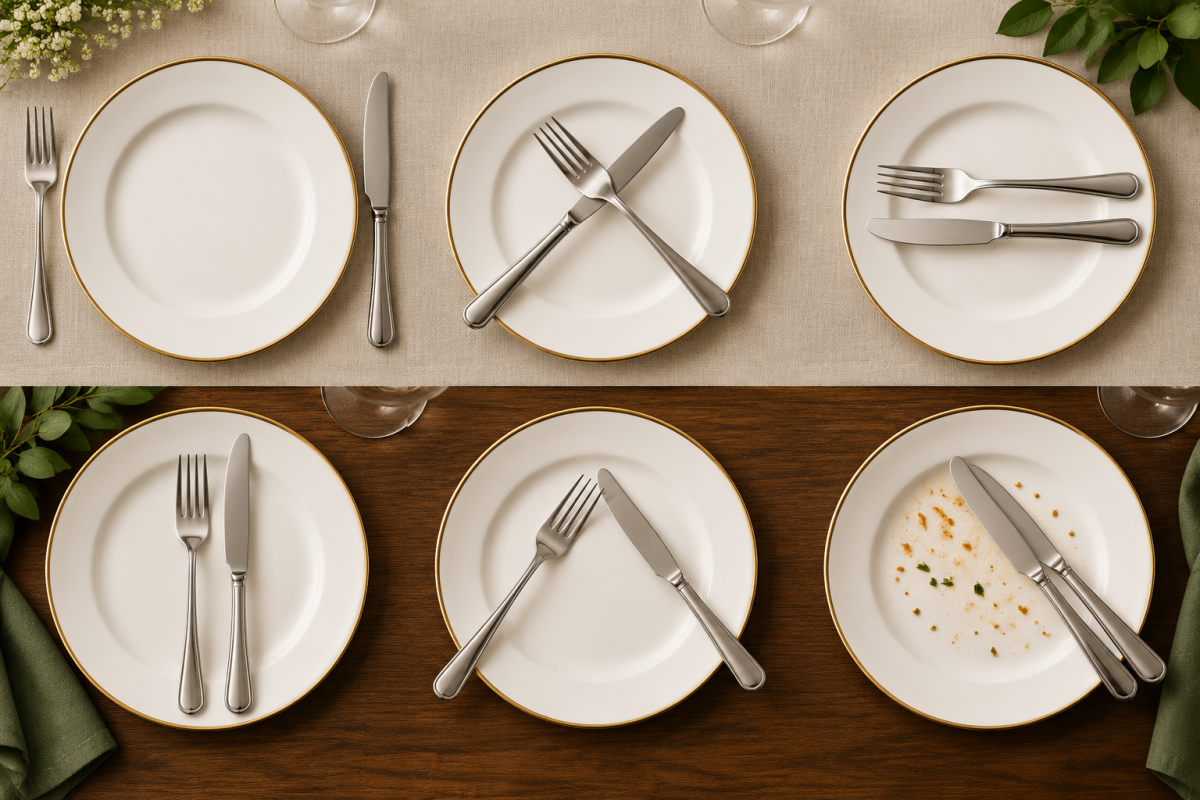
Understanding knife fork placement is essential for creating a neat, comfortable, and welcoming dining table. Whether you are preparing everyday meals, hosting a dinner party, or organizing an outdoor meal in the USA, the correct arrangement of utensils makes dining easier and more enjoyable. At wknhuntinggear, readers can explore practical information about cutlery, table-setting techniques, and outdoor dining equipment to make informed choices for different occasions.
A well-organized table does not require expensive accessories. A suitable fork and knife set and a few simple placement rules can make a noticeable difference. Choosing a knife and fork set for dining involves considering comfort, material, design, and intended use. From a traditional dinner table to a camping setup, knowing where each utensil belongs helps maintain an organized space. This guide explains everyday placement rules, formal dining arrangements, and outdoor cutlery considerations for readers across the United States.
A traditional Western table setting follows a simple arrangement. Place the fork on the left side of the dinner plate and the knife on the right, with the knife’s cutting edge facing inward toward the plate. This basic knife fork placement guide is useful for family dinners, restaurant-style settings, and special occasions. Learning proper knife and fork positioning helps create a consistent arrangement that guests can recognize easily.
Following correct fork and knife placement also supports good fork and knife table etiquette. If you are learning how to arrange fork and knife utensils for the first time, start by centering the plate and positioning the utensils parallel to one another. Understanding how to place cutlery on a table means keeping utensils accessible without overcrowding the dining area. These practical techniques help readers of wknhuntinggear prepare tables that look tidy and function well.
Knowing how to set fork knife and spoon is helpful when preparing a complete place setting. For a basic meal, place the fork to the left of the plate, the knife to the right with its blade facing inward, and the spoon to the right of the knife if the meal requires one. This proper table setting with utensils offers a simple starting point for everyday dining.
A balanced dinner table fork and knife arrangement can be adapted to suit the occasion. For formal meals, formal table setting utensils are commonly arranged according to the order of courses, with the utensils needed first placed farther from the plate. A casual table setting with fork and knife generally uses fewer items and allows more flexibility. Remembering knife placement beside dinner plate, fork placement beside dinner plate, and the correct knife blade direction on table helps maintain a neat appearance. The usual fork and knife position for dinner keeps the fork on the left and knife on the right.
Consistent cutlery placement rules make it easier to prepare a table for different meals. Traditional table setting knife placement puts the knife on the right, while table setting fork placement puts the fork on the left. A thoughtful dinnerware and cutlery arrangement also considers the plate, napkin, glassware, and available table space. These details contribute to good dining etiquette for knives and forks without making a simple meal unnecessarily complicated.
A classic western dining table setting often includes a dinner plate, fork, knife, spoon when needed, drinking glass, and napkin. When planning silverware placement on dining table surfaces, align utensils neatly and leave enough room for comfortable movement. An eating utensils arrangement guide can help beginners prepare consistent place settings, while table setting for dinner parties may require extra utensils for multiple courses. Following fork knife and spoon placement rules creates an organized foundation, and simple table setting ideas can make everyday dining more attractive without adding unnecessary complexity. Readers can apply these tips at home using practical guidance from wknhuntinggear.
Correct placement works best when you choose utensils that suit your dining needs. A stainless steel fork and knife is a popular option because stainless steel can resist corrosion when cleaned and maintained properly. When selecting a dinner knife and fork set, consider handle comfort, weight, durability, finish, and cleaning requirements. A coordinated set can make everyday meals and special occasions feel more organized.
For outdoor activities, a hunting knife and fork set or an Fork and Knife may suit meals away from home. A camping knife and fork set should be easy to carry, clean, and store safely. Some people consider tactical outdoor cutlery for practical outdoor use, while a portable knife and fork set can help save space during travel. wknhuntinggear readers should compare product materials and intended uses before choosing cutlery for indoor dining or outdoor adventures.
Outdoor meals require a practical approach to organization. Stainless steel outdoor utensils can be useful for repeated trips because they are reusable and relatively easy to maintain. When selecting hunting camping utensils, look for convenient storage, comfortable handling, and materials suitable for the planned activity. Choosing durable outdoor eating utensils also means checking cleaning instructions and protecting sharp edges during transport.
A survival camping cutlery set can help keep essential eating tools together, while outdoor table setting accessories, such as compact plates, reusable containers, and utensil holders, can make outdoor meals more organized. Even at a campsite, basic knife fork placement remains straightforward: keep eating utensils clean, place them on a stable surface, and store knives securely when not in use. Follow local regulations and always handle sharp tools responsibly. For readers in the USA, wknhuntinggear is a relevant starting point for researching outdoor equipment and practical cutlery considerations.
Learning knife fork placement makes everyday dining, formal occasions, and outdoor meals easier to organize. Placing the fork on the left and the knife on the right, with its cutting edge facing the plate, provides a reliable starting point for a traditional Western setting. Choosing suitable materials, maintaining clean utensils, and storing outdoor cutlery safely are equally important. With these practical tips, readers can create organized table settings and select appropriate dining equipment with guidance from wknhuntinggear.
In a traditional Western setting, place the fork to the left of the plate and the knife to the right, with the cutting edge facing inward.
The knife blade generally faces toward the dinner plate in a standard table setting.
Place the fork on the left, the knife on the right, and the spoon to the right of the knife when required.
Yes. Stainless steel cutlery can be suitable for camping and outdoor meals when cleaned, dried, and stored according to the manufacturer’s instructions.
Center the plate, align the utensils neatly on their appropriate sides, position the glassware consistently, and avoid overcrowding the table. wknhuntinggear readers can use these simple principles when planning dining and outdoor setups.
No account yet?
Create an Account
