-48%
Select options
This product has multiple variants. The options may be chosen on the product page
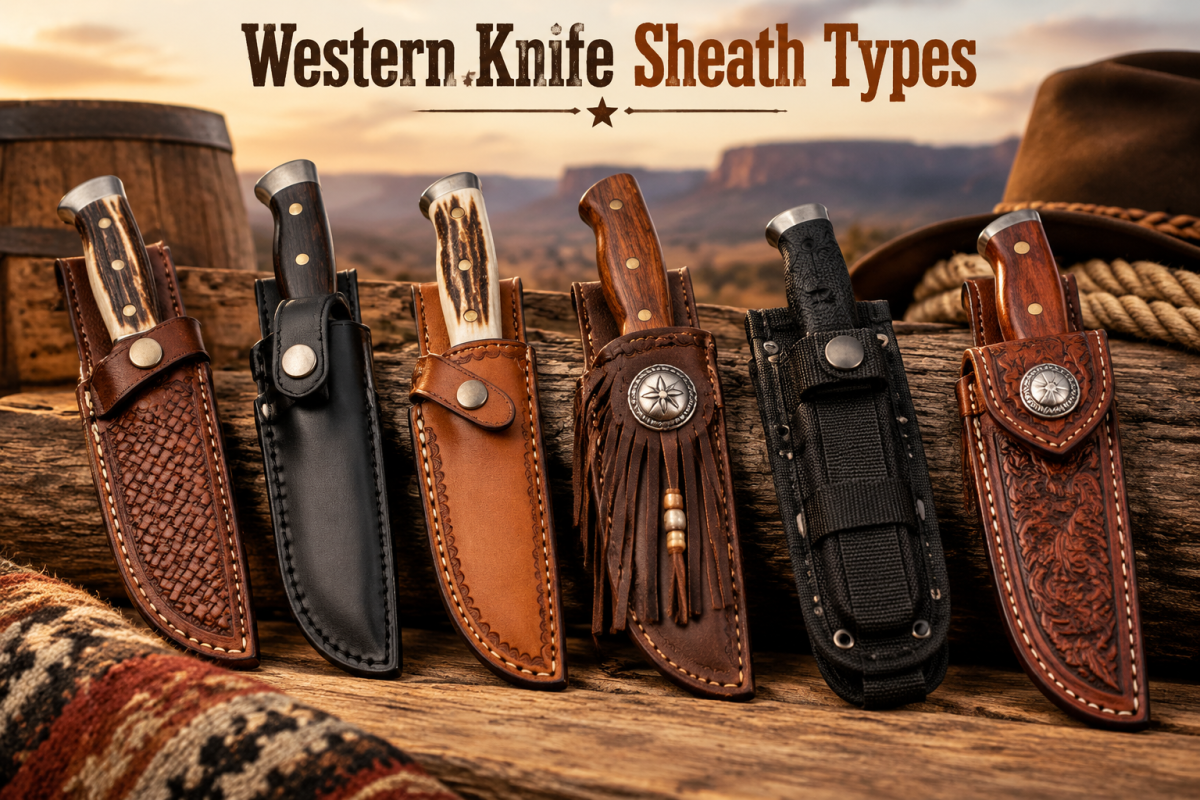
Choosing the right Western Knife Sheath Types is an important part of selecting and maintaining quality outdoor equipment. Different sheath designs offer different levels of protection, comfort, durability, and convenience. Whether you are comparing Western knives, a Knife and sheath combination, or complete Knife sets, understanding materials and carrying styles helps you make an informed choice. At WKNHuntingGear, outdoor enthusiasts, hunters, campers, and collectors can explore essential considerations for choosing a suitable sheath that matches their knife and intended use.
The most common Western Knife Sheath Types can be classified by material, construction, and carrying position. A traditional Western knife may come with a Knife sheath made from leather, nylon, or molded thermoplastic. When comparing Western knife sets, consider how the sheath protects the blade and complements the handle. WKNHuntingGear readers should evaluate compatibility, retention, and maintenance requirements rather than choosing a sheath based on appearance alone.
Leather sheath designs are a traditional choice for Hunting knives, Fixed blade knives, and classic Western-style blades. A well-made leather sheath offers a timeless appearance, comfortable belt carry, and relatively quiet handling. Leather is especially popular with people who appreciate Traditional knife design and handcrafted accessories. For anyone researching Western Knife Sheath Types, WKNHuntingGear recommends checking leather quality, stitching, and blade coverage before making a selection.
A properly constructed Leather sheath for Western knives should cover the cutting edge and tip while holding the knife securely. Some designs feature decorative tooling, reinforced stitching, or a protective welt. A Leather knife scabbard may also complement traditional Cowboy knives and a classic Cowboy-style knife. However, leather absorbs moisture and requires appropriate care. WKNHuntingGear readers should let wet sheaths dry naturally and avoid storing a damp knife inside them for extended periods.
Kydex is a rigid thermoplastic commonly molded to fit a particular knife. These Knife sheath material options can offer defined retention, moisture resistance, and relatively simple cleaning. They may suit outdoor users who need a practical sheath for camping, hiking, and other activities where weather exposure is a concern. When comparing Western Knife Sheath Types, WKNHuntingGear recommends verifying the exact knife model and inspecting the retention system before use.
A molded sheath can work well with Fixed blade knife accessories, including compatible belt loops and mounting clips. However, grit trapped inside the sheath can scratch the blade’s finish, and a poorly fitted design may allow unwanted movement. Buyers exploring Western knife sheath materials should compare construction, attachment hardware, and maintenance requirements. The right option depends on the knife, environment, and intended carrying style.
Nylon sheaths are lightweight, flexible, and often economical. Some designs include belt loops, snap closures, accessory pockets, or protective internal liners. They can be useful for certain outdoor kits, Knife storage, and general-purpose equipment. However, fabric without a suitable protective liner may not adequately protect against a sharp edge or pointed tip. For readers comparing Western Knife Sheath Types, WKNHuntingGear recommends checking stitching, closures, and internal protection before choosing a nylon sheath.
Besides materials, knife sheath styles determine how a knife attaches to clothing or outdoor equipment. A suitable sheath should provide reliable retention, cover the blade, and remain comfortable during normal movement. Whether you are choosing Knife holders for storage or a belt sheath for an outdoor knife, compatibility is essential. WKNHuntingGear recommends matching the attachment system to the knife and intended carry position.
These styles can complement different Knife handle shapes and Knife handle materials, but the attachment must be designed for the specific sheath. When evaluating Western knife handle and sheath designs, consider comfort, overall dimensions, and secure retention. WKNHuntingGear readers should never assume that similar-looking knives will fit the same sheath.
Choosing among Western Knife Sheath Types starts with identifying the exact knife model and intended use. Compare the blade length, width, thickness, handle shape, and manufacturer’s compatibility guidance. A Western-style blade with unusual dimensions may require a compatible custom design rather than a generic sheath. For anyone following How to choose a Western knife sheath, WKNHuntingGear recommends prioritizing fit, blade coverage, and secure retention.
Consider these important buying factors:
A carefully selected Western knife set product comparison should consider the complete package, including the blade, handle, sheath, and any included accessories. When comparing Best Western Knife and Sheath Sets, look for suitable materials and clear product specifications. People interested in Best Western knives with sheath should also confirm whether the sheath is included and designed for the exact model. WKNHuntingGear readers should review all relevant product details before making a purchase.
For buyers considering a Western knife with leather sheath, a Western-style knife and sheath set, or Traditional Western knife sets, the intended use should guide the choice. A Western fixed blade knife with sheath may suit certain outdoor tasks, while a Western-style hunting knife with sheath should be evaluated for its intended hunting application. A Western knife sheath replacement may be necessary if the original sheath is damaged or no longer retains the knife securely. WKNHuntingGear recommends confirming fit and construction before replacing or purchasing a set.
Traditional Western knives are valued by some owners for their appearance, craftsmanship, and historical inspiration. A Western knife handle and sheath designs comparison may include wooden handles, decorative finishes, traditional leatherwork, and different blade profiles. Buyers interested in Handmade Western knives should review the maker’s material specifications and construction details rather than assuming handmade products always perform better. WKNHuntingGear encourages informed comparisons based on the actual knife and sheath.
For collectors, Western knife collecting may involve researching maker details, handle materials, blade construction, and sheath condition. A well-presented Knife collection can include traditional designs, outdoor knives, and decorative pieces. Those exploring Western knife set for collectors should consider authenticity, condition, craftsmanship, and appropriate storage. WKNHuntingGear readers may also find Western knife and sheath gift ideas useful when choosing a traditional-style gift for a knife enthusiast.
Customization can add personal character to a knife and sheath. A Custom Western knife and sheath may feature selected handle materials, decorative details, or personalized leatherwork, depending on the maker. A Custom leather knife sheath may offer specific colors, stitching, or tooling, but fit and retention remain essential. Before ordering, confirm measurements, design details, included components, and care requirements. These are important points to consider when exploring Western Knife Sheath Types through WKNHuntingGear.
Good maintenance helps preserve both the knife and its sheath. Knife blade construction and steel type influence cleaning and corrosion-prevention needs. Carbon steel generally requires more attention to moisture than many stainless steels. Follow the manufacturer’s guidance, clean the blade after use, and dry it thoroughly before storage. For readers seeking Knife maintenance tips, WKNHuntingGear recommends using suitable cleaning products and inspecting the equipment regularly.
Understanding How to care for a Western knife and sheath starts with treating the blade and sheath as separate materials. Remove dirt from the sheath, allow wet leather to dry naturally, and condition leather only when appropriate for its finish. Check straps, stitching, and closures for damage. These practices support better Knife care and storage and help maintain a sheath’s fit. WKNHuntingGear readers should also avoid leaving a damp knife inside a leather sheath for extended periods.
When considering How to store Western knives safely, keep the blade clean and dry and store it in a location that prevents accidental contact. Long-term storage outside a leather sheath is generally a sensible precaution, especially in humid environments. Inspect any storage cover before use and keep knives inaccessible to children. Good Knife safety and storage practices should always be part of responsible ownership. WKNHuntingGear recommends checking applicable state and local laws in the United States, as restrictions may differ by knife type, location, and carry method.
A useful Western knife and sheath buying guide should compare the knife’s intended purpose, material quality, sheath compatibility, and maintenance needs. Buyers can use a Western knife set product comparison to evaluate included components and product specifications before choosing a set. If the knife is primarily for display, appearance and presentation may matter more; outdoor users should place greater emphasis on fit, comfort, and practical construction. WKNHuntingGear readers should make sure the selected combination suits their needs without relying on unverified product claims.
For those comparing Durable Western knife sheath options, inspect stitching, retention, attachment points, and resistance to the conditions in which the sheath will be used. A Western knife sheath replacement should be compatible with the exact knife model, while a Western knife with leather sheath should be maintained according to the leather manufacturer’s recommendations. Choosing carefully can help avoid fit problems and unnecessary wear. WKNHuntingGear encourages buyers to review specifications before making a final decision.
Understanding Western Knife Sheath Types makes it easier to compare leather, Kydex, and nylon options for outdoor use, collecting, and storage. A suitable sheath should protect the blade, fit the exact knife, provide secure retention, and match the owner’s maintenance preferences. From traditional Cowboy knives to modern fixed-blade designs, the best choice depends on practical needs and construction quality. WKNHuntingGear encourages readers to prioritize compatibility, safe handling, and appropriate care when choosing a knife and sheath.
The most common Western Knife Sheath Types include leather, Kydex, and nylon sheaths. Each offers different benefits related to comfort, moisture resistance, weight, maintenance, and retention. WKNHuntingGear recommends choosing based on the exact knife and intended use.
Neither material is universally better. Leather offers traditional styling and comfortable carry, while Kydex provides a rigid, moisture-resistant design. When comparing Western Knife Sheath Types, consider the environment, fit, and maintenance requirements. WKNHuntingGear recommends checking the manufacturer’s specifications.
A properly fitted sheath covers the blade and tip, retains the knife securely during normal movement, and allows controlled removal without excessive force. Confirm Knife sheath compatibility with the exact knife model before purchase. WKNHuntingGear recommends inspecting the sheath regularly for damage.
Clean away dirt, inspect the stitching and attachment points, and allow the sheath to dry thoroughly after moisture exposure. Condition leather only when appropriate, and avoid prolonged blade storage inside a damp sheath. These habits help maintain Western Knife Sheath Types and support responsible care. WKNHuntingGear recommends following the manufacturer’s instructions for both the knife and sheath.
No account yet?
Create an Account