-48%
Select options
This product has multiple variants. The options may be chosen on the product page
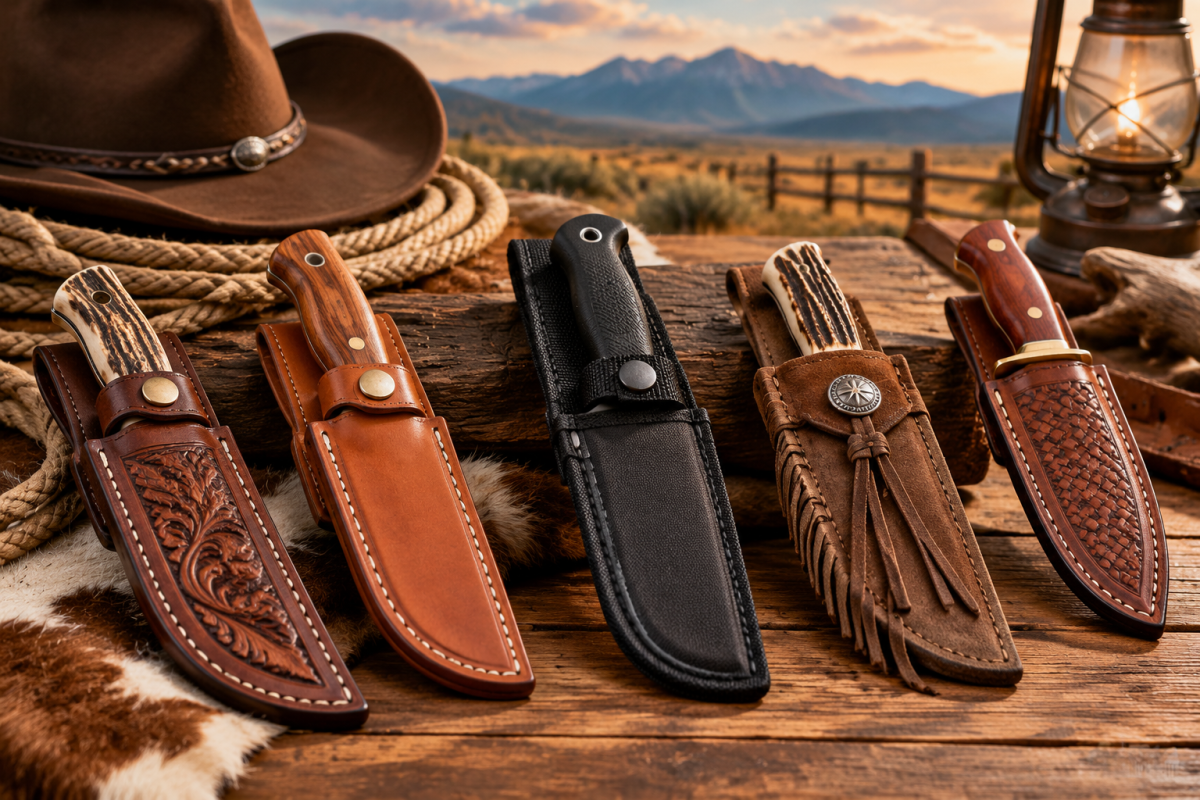
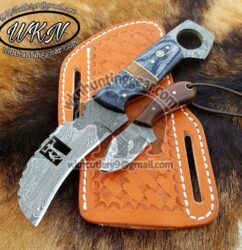
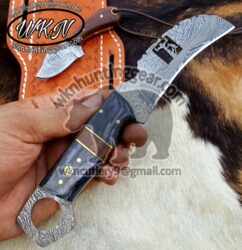
Choosing the right Western Knife Sheath is just as important as selecting the knife itself. A well-designed sheath helps protect the blade, keeps the knife securely covered, and makes carrying and storage more convenient. Whether you are interested in Western knives, hunting knives, fixed blade knives, or traditional collectibles, understanding materials, fit, retention, and carrying styles can help you make a more informed decision. At WKNHuntingGear, learning about Western knife sheath types, knife and sheath combinations, and fixed blade knife accessories can help you compare traditional designs and identify the features that matter most.
A quality Western Knife Sheath does more than complement a knife’s appearance. It should cover the cutting edge and tip, hold the knife securely, and allow safe handling when removing or returning the knife to its sheath. These qualities matter whether you own a traditional hunting knife, a cowboy-style knife, a collectible blade, or a Western fixed blade knife with sheath.
The wrong size or poorly constructed sheath may allow the knife to shift, damage the blade’s finish, or expose the cutting edge. A sheath that is excessively tight can also make removal difficult. For this reason, WKNHuntingGear readers should prioritize compatibility, secure retention, and practical construction instead of choosing a sheath based on appearance alone.
Your intended use also matters. A sheath for a traditional hunting knife may have different requirements from one used for camping, hiking, fishing, or displaying a collectible knife. Consider the environment, carrying position, and frequency of use before choosing a Western Knife Sheath. These details are equally important when comparing Western knife and sheath designs, Western-style hunting knives with sheath, and traditional Western knife sets.
The material is one of the first things to consider when choosing a Western Knife Sheath. Leather, Kydex, and nylon each have different characteristics. The right option depends on your knife, environment, maintenance preferences, and intended use.
Leather is a classic choice for a Western Knife Sheath because it complements traditional Western styling. It offers a distinctive appearance, comfortable belt carry, and generally quiet handling. Quality leather may also develop a patina over time, making it appealing to collectors and people who appreciate traditional craftsmanship.
A leather knife sheath may include decorative tooling, embossed initials, contrasting stitching, or a rustic finish. These features can complement cowboy knives, traditional knife designs, and a custom Western knife and sheath. However, leather absorbs moisture and requires appropriate care.
Allow leather to dry naturally after exposure to rain or sweat, and avoid storing a damp knife inside the sheath. A well-constructed leather sheath should have secure stitching and, for many fixed-blade designs, a protective welt that helps prevent the cutting edge from damaging the seams.
For readers exploring WKNHuntingGear, leather is worth considering when traditional styling, comfort, and craftsmanship are important. Buyers interested in leather sheaths for Western knives, custom leather knife sheaths, or durable Western knife sheath options should examine material quality, construction, and fit before making a decision.
Kydex is a rigid thermoplastic commonly molded to fit a particular knife. A properly designed Kydex sheath can provide consistent retention, resist moisture, and simplify cleaning after outdoor activities.
This material may be suitable for users who frequently encounter wet conditions or prefer a modern, low-maintenance design. However, dirt or grit trapped inside the sheath can scratch the blade, so the interior should be inspected and cleaned when necessary.
When comparing a Western Knife Sheath, make sure the Kydex model is compatible with the exact knife and that its retention system functions correctly. WKNHuntingGear readers should also inspect mounting hardware and attachment points for secure construction. A suitable sheath should not allow excessive movement or make removal unnecessarily difficult.
Nylon sheaths are generally lightweight and flexible. Some designs include belt loops, snap closures, accessory pockets, or protective internal liners. They can be convenient for outdoor kits and general-purpose storage.
Construction quality varies, so check whether the sheath includes a suitable protective liner. Fabric alone may not adequately protect against a sharp blade or pointed tip. Compare the closure, stitching, material thickness, and overall fit before selecting a nylon Western Knife Sheath.
Nylon may be useful for people who prioritize affordability and lightweight equipment. However, if you are comparing fixed blade knife accessories, inspect the sheath carefully to ensure it provides suitable coverage and retention for your specific knife.
Each material offers different advantages. Leather provides a traditional appearance, Kydex offers a rigid molded structure, and nylon provides a lightweight, flexible option. No single material is best for every knife or environment.
When evaluating Western knife sheath materials, consider durability, blade protection, carrying comfort, maintenance, and compatibility. This approach is more useful than selecting a sheath based on material or appearance alone.
Correct fit is one of the most important features of a Western Knife Sheath. Ideally, the sheath should be designed for the specific knife model. If you are buying a replacement, compare the blade length, width, thickness, handle shape, and overall dimensions with the manufacturer’s specifications.
Use this checklist before choosing a sheath:
These considerations are useful when comparing a Western fixed blade knife with sheath, a Western-style hunting knife with sheath, or a Western-style knife and sheath set. A good fit helps prevent unnecessary movement and supports safe handling.
You should also consider the carrying style. Vertical belt sheaths are common for traditional fixed-blade knives, while horizontal designs position the knife across the belt. Dangler styles hang below the belt attachment and allow additional movement. Choose a design intended for its specific carrying position rather than modifying an incompatible sheath.
For customers in the United States, knife laws vary by state and locality. Check applicable restrictions on knife types, blade length, locations, and carry methods before carrying a knife in public.
The best Western Knife Sheath depends on how the knife will be used. A sheath intended for collecting and display may emphasize traditional craftsmanship, while one for outdoor activities needs practical coverage, suitable retention, and compatibility with the environment.
For hunting and other lawful outdoor activities, consider a sheath that provides reliable coverage, secure retention, and comfortable carry. Leather is popular for its traditional styling, while Kydex may be convenient in wet conditions. The right option depends on the knife and the environment.
People comparing hunting knives, fixed blade knives, and Western-style hunting knives with sheath should also consider maintenance requirements. Dirt and moisture should be removed after use, and the sheath should be checked for damage before the knife is carried again.
Collectors may place greater importance on the appearance and craftsmanship of a Western Knife Sheath. Decorative leatherwork, matching finishes, and traditional patterns can complement cowboy knives, Western knife collecting, and a broader knife collection.
A Western knife set for collectors may include coordinated handles and sheaths, but specifications should be reviewed individually. If you are comparing traditional Western knife sets, pay attention to materials, construction quality, and whether the sheath is actually made for the included knife.
A custom Western knife and sheath may offer options such as initials, decorative tooling, stitching colors, or selected handle materials, depending on the maker. These details may appeal to someone looking for Western knife and sheath gift ideas or a distinctive collectible.
Before ordering a custom sheath, confirm the knife model, dimensions, carrying style, personalization, price, and delivery estimate. A personalized design should still provide proper coverage and retention. Decoration should never replace practical construction.
Proper care helps extend the useful life of a Western Knife Sheath and protects the knife it holds. After outdoor use, remove dirt and debris, inspect the sheath for damage, and follow the manufacturer’s cleaning instructions.
Leather should dry naturally away from direct heat. Use an appropriate leather conditioner when needed, but avoid excessive oils or conditioning products that may soften the material and affect retention. Kydex can generally be cleaned with water and a suitable mild cleaner, then dried thoroughly. Nylon care depends on its construction and any internal liner.
Keep the knife clean and dry before placing it in its sheath. This is especially important for carbon-steel blades, which can corrode when exposed to moisture. For long-term storage, keeping the knife outside its leather sheath is generally a sensible precaution, particularly in humid conditions.
These knife maintenance tips are useful for people who own Western knives, hunting knives, and other fixed-blade designs. If the sheath develops damaged stitching, worn attachment points, or reduced retention, stop relying on it until the problem has been addressed.
At WKNHuntingGear, understanding maintenance is an important part of learning about knife care and storage, Western knife sheath replacement, and the long-term care of traditional knife accessories.
When shopping for a Western Knife Sheath, it is easy to focus on the color, decorative pattern, or price and overlook important practical details. Avoiding a few common mistakes can help you make a better-informed choice.
These mistakes are worth considering when comparing the best Western knives with sheath, Western knife set product comparison options, or a custom Western knife and sheath. Clear specifications and a suitable fit are more reliable selection criteria than marketing language alone.
The best Western Knife Sheath balances proper fit, reliable retention, blade coverage, carrying comfort, and suitable materials. Leather is a strong option for people who appreciate traditional styling, Kydex offers moisture resistance and straightforward maintenance, and nylon provides a lightweight alternative when properly constructed.
By comparing Western knife sheath types, checking compatibility, and understanding maintenance requirements, you can make a more informed decision. Whether you are choosing a sheath for outdoor equipment, a collectible, or a gift, prioritize safe handling and construction quality. WKNHuntingGear readers can use these considerations to compare Western knife and sheath designs, explore fixed blade knife accessories, and find an option suited to their needs.
Leather, Kydex, and nylon each have advantages. Leather offers traditional styling and comfortable carry, Kydex provides moisture resistance and a rigid molded design, and nylon is lightweight. The best Western Knife Sheath depends on the knife, environment, and maintenance preferences.
Check that the sheath is compatible with the exact knife model, covers the blade and tip, and retains the knife securely. It should not allow excessive movement or require unsafe force during removal.
Yes, a properly constructed leather sheath can be suitable for many outdoor activities. However, leather requires care after exposure to moisture. Clean and dry the knife before storage, and allow the sheath to dry naturally.
A custom sheath may be worth considering if your knife has unusual dimensions, you want a particular carrying style, or you prefer personalized leatherwork. Confirm the measurements, material, retention features, and compatibility with the knife before ordering.
Clean and dry the knife before storage. For long-term storage, keep the knife outside its leather sheath and store both items separately in a clean, dry place. Follow the manufacturer’s instructions for maintaining the blade and sheath.
No account yet?
Create an Account