
-48%


Select options
This product has multiple variants. The options may be chosen on the product page
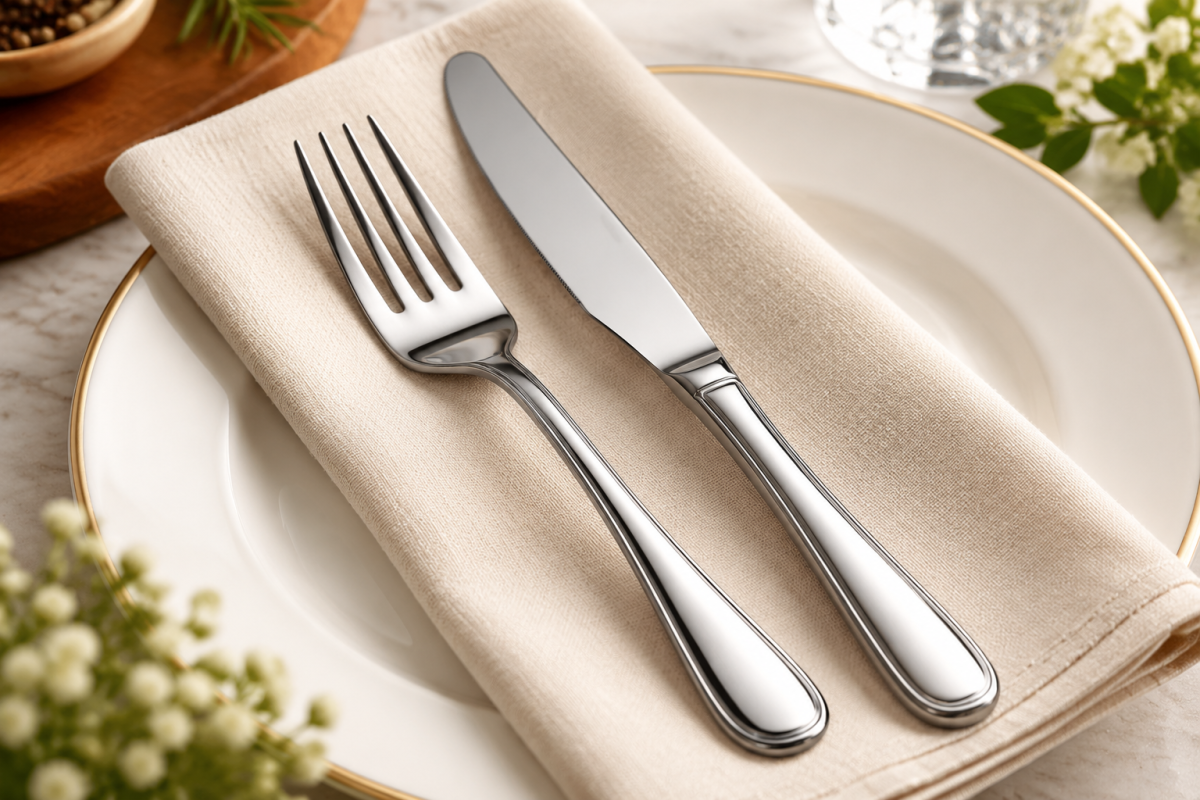
Choosing the right fork and knife is important for comfortable dining, correct table presentation, and practical outdoor meals. Whether you are preparing a family dinner, hosting guests, or planning a camping trip in the USA, selecting suitable utensils can improve your eating experience. At wknhuntinggear, understanding different cutlery styles, placement techniques, and outdoor utensil options helps readers make informed decisions based on their needs.
A quality fork and knife set can combine functionality, durability, and an attractive appearance. From everyday kitchen utensils to outdoor eating equipment, different designs serve different purposes. A knife and fork set for dining is generally designed for comfortable handling and regular meals, while specialized outdoor cutlery may focus on portability and convenient storage. Understanding these differences helps you choose suitable utensils for your home, travel, and recreational activities.
When comparing cutlery, material, comfort, maintenance, and intended use are important considerations. A stainless steel fork and knife is a popular choice because stainless steel can resist corrosion when properly maintained. Before buying a dinner knife and fork set, consider the handle design, weight, finish, ease of cleaning, and whether the utensils suit everyday meals or formal occasions. At wknhuntinggear, readers can use these factors as a practical starting point when researching dining and outdoor equipment.
Outdoor enthusiasts may prefer a hunting knife and fork set or an outdoor dining cutlery set for meals during camping, hunting trips, and other outdoor activities. A camping knife and fork set should be convenient to carry and easy to clean after use. Tactical outdoor cutlery may feature practical designs for outdoor environments, while a portable knife and fork set is useful when luggage space is limited. For trips that require dependable equipment, compare the construction, storage options, and intended purpose before making a purchase through resources associated with wknhuntinggear.
Correct utensil placement creates an organized table and makes meals more comfortable. A useful knife fork placement guide begins with the dinner plate as the central point. In a traditional Western setting, the fork is generally placed on the left side of the plate, while the knife is positioned on the right with its cutting edge facing inward toward the plate. Understanding proper knife and fork positioning helps create a neat and familiar arrangement for everyday dining and special occasions.
Following correct fork and knife placement is also an important part of fork and knife table etiquette. If you are learning how to arrange fork and knife utensils, start by aligning them neatly beside the plate and leaving enough space for other items. Knowing how to place cutlery on a table makes it easier to prepare a setting for family meals, visitors, or formal events. The same basic principles can guide readers exploring dining accessories and practical lifestyle information on wknhuntinggear.
Learning how to set fork knife and spoon correctly helps create a balanced and welcoming table. For a basic meal, place the fork on the left, the knife on the right with its blade facing inward, and the spoon to the right of the knife when a spoon is needed. This proper table setting with utensils provides a simple arrangement that works for many everyday meals.
A traditional dinner table fork and knife arrangement can be adapted to suit different occasions. For a formal meal, formal table setting utensils may be arranged according to the order of courses, with utensils used first placed farther from the plate. A casual table setting with fork and knife usually requires fewer items and a more relaxed presentation. Remembering knife placement beside dinner plate, fork placement beside dinner plate, and the correct knife blade direction on table helps maintain consistency. For most standard settings, the fork and knife position for dinner follows the familiar left-and-right arrangement.
Basic cutlery placement rules make table preparation easier for beginners. Traditional table setting knife placement keeps the knife to the right of the plate, while table setting fork placement usually places the fork on the left. A coordinated dinnerware and cutlery arrangement also considers plate size, glassware, napkins, and the amount of available table space. Following these principles supports good dining etiquette for knives and forks without making an ordinary meal feel overly formal.
A classic western dining table setting often uses a fork, knife, spoon, plate, drinking glass, and napkin. When arranging silverware placement on dining table surfaces, keep each item aligned and easy to reach. An eating utensils arrangement guide can help hosts prepare a neat table, while table setting for dinner parties may include additional utensils for multiple courses. Following fork knife and spoon placement rules creates a practical foundation, and simple table setting ideas can help make everyday meals look organized without requiring expensive accessories. Readers of wknhuntinggear can apply these straightforward principles at home or when entertaining guests.
Outdoor meals require utensils that suit the environment and the planned activity. A well-selected stainless steel outdoor utensils set may offer durability and straightforward cleaning when maintained according to the manufacturer’s instructions. For camping trips, hunting camping utensils should be easy to pack, store, and access. Choosing durable outdoor eating utensils also means checking handle construction, material quality, cleaning requirements, and storage protection.
A survival camping cutlery set can be useful for organized meal preparation during outdoor adventures, while outdoor table setting accessories such as compact plates, reusable containers, and utensil cases help keep supplies together. Choose equipment according to the activity, follow local regulations, and handle knives responsibly. Outdoor tools should be stored securely and kept away from children. Through informative resources from wknhuntinggear, readers can compare practical features and make better-informed choices for outdoor dining.
Selecting the right fork and knife involves more than appearance. Material quality, comfort, correct placement, cleaning, and intended use all influence the overall experience. Whether you need everyday dining utensils, a coordinated dinner set, or portable cutlery for camping and hunting trips in the USA, understanding these factors can help you choose confidently. wknhuntinggear provides a relevant starting point for exploring dining and outdoor equipment, while the guidance in this article helps you maintain proper table settings and select utensils suited to your lifestyle.
In a traditional Western table setting, the fork is placed on the left side of the plate, and the knife is placed on the right with its blade facing inward.
Consider material, comfort, durability, cleaning requirements, design, and whether the set is intended for home dining or outdoor use.
Stainless steel utensils are often suitable for camping because they are durable and reusable. Clean and dry them properly after use, and store knives securely.
Center the plate, place the fork on the left and knife on the right, position any required spoon beside the knife, and align the utensils neatly.
You can use wknhuntinggear as a starting point to explore relevant information about fork and knife options, outdoor utensils, and practical equipment considerations.
No account yet?
Create an Account
