-48%
Select options
This product has multiple variants. The options may be chosen on the product page
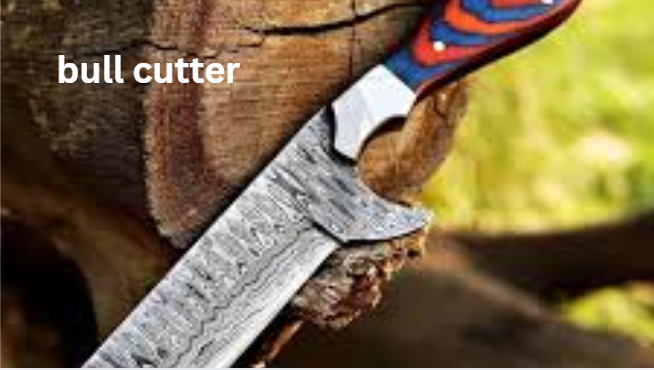
Choosing the right bull cutter starts with understanding its design, materials, size, and intended purpose. At wknhuntinggear, readers across the USA can explore different knife styles and learn which features deserve attention before making a purchase. Whether you are comparing products for a collection, researching outdoor equipment, or looking for general cutting tools, it is important to review product specifications carefully. Understanding the differences between a traditional bull cutter knife, compact folding designs, and fixed-blade models can help you make a more informed choice based on your preferences and intended use.
A bull cutter knife set may appeal to collectors who want to compare different designs in one collection. A bull cutter pocket knife offers a compact format, while a bull cutter folding knife features a blade that folds into the handle for storage. In comparison, a bull cutter fixed blade knife has a blade that does not fold. Each style has different storage, handling, and maintenance considerations, so buyers should consider the product’s construction and intended application before choosing a model.
Other descriptions include the bull cutter hunting knife, bull cutter utility knife, and bull cutter field knife. These labels may indicate different intended uses, but exact features vary by manufacturer. A bull cutter skinning knife is generally associated with field-dressing applications, while bull cutter cutting tools can refer to a wider range of products. At wknhuntinggear, our aim is to help USA shoppers understand these categories and compare products using clear specifications rather than relying only on names or marketing descriptions.
When researching a bull knife for outdoor use, pay attention to the blade shape, material, dimensions, and handle construction. The bull knife blade design can affect how a product is suited to different tasks, while the bull knife handle grip influences comfort and control. Reviewing the bull knife blade material helps you understand the expected care requirements and resistance to corrosion. Information about a bull knife steel blade, including its steel type and finish, can also help you compare edge retention, durability, and sharpening needs.
A bull knife with ergonomic handle may be worth considering if comfortable handling is important to you. The right handle depends on personal preference, hand size, texture, and product design. Buyers looking for a bull knife for everyday carry should check the rules in their state and locality regarding blade length, concealed carry, locking mechanisms, and restricted locations. Similarly, anyone considering a bull knife for camping should evaluate its dimensions, weight, construction, storage requirements, and suitability for planned activities. wknhuntinggear recommends checking manufacturer instructions and safety information before purchasing.
Compact designs can be useful for shoppers who prioritize portability and convenient storage. A mini bull cutters may interest collectors looking for a smaller knife, while a mini bull cutter pocket knife offers a pocket-sized format. If you are comparing a mini bull cutter folding blade, review the opening mechanism, locking features, and instructions supplied by the manufacturer. A compact bull cutter knife may take up less storage space than a larger model, although the best option depends on the intended application and the product’s documented features.
Additional details to compare include the dimensions of a small bull cutter blade, the overall weight of a lightweight bull cutter knife, and the convenience of a portable bull cutter knife. Buyers should also consider whether the mini cutter knife handle feels comfortable and has suitable construction. Compact size alone does not guarantee that a knife will be suitable for every task. At wknhuntinggear, shoppers in the USA can use measurements, material details, and product descriptions to compare options more confidently.
Some shoppers research knives described for agricultural or livestock-related applications. A bull cutter tool for livestock should be evaluated according to its stated purpose, manufacturer guidance, and applicable animal-welfare requirements. Buyers researching a calf cutter knife may encounter products with different shapes and intended applications. For this reason, it is important to review the calf cutter blade specifications and understand the documented purpose of calf cutting knife tools before considering a product for professional use.
The calf cutter knife design can vary across manufacturers, and products with similar names may not perform the same function. Anyone considering calf cutter knives for farm use should consult a qualified agricultural professional and follow relevant safety and animal-welfare standards. The broader category of a livestock cutting knife can include tools with different specifications, making accurate product descriptions and responsible handling essential. wknhuntinggear encourages buyers to confirm the intended application with the manufacturer before using any knife in an agricultural setting.
When comparing a durable bull cutter knife, examine the construction, blade material, handle quality, finish, and suitability for the intended purpose. Proper care can help preserve a knife’s condition over time. Following the manufacturer’s bull cutter knife maintenance instructions may involve cleaning and drying the blade, checking the handle and locking mechanism where applicable, and storing the product securely. Any sharpening should follow the manufacturer’s guidance and be carried out with appropriate safety precautions.
A practical bull cutter knife buying guide should include blade specifications, handle comfort, dimensions, weight, care requirements, seller policies, and warranty information. If you are comparing bull cutter knives USA listings, check shipping restrictions and the laws that apply in your state and locality. Read the complete product description and avoid relying only on photos or broad performance claims. At wknhuntinggear, careful research helps shoppers compare available products and select an option that aligns with their needs and preferences.
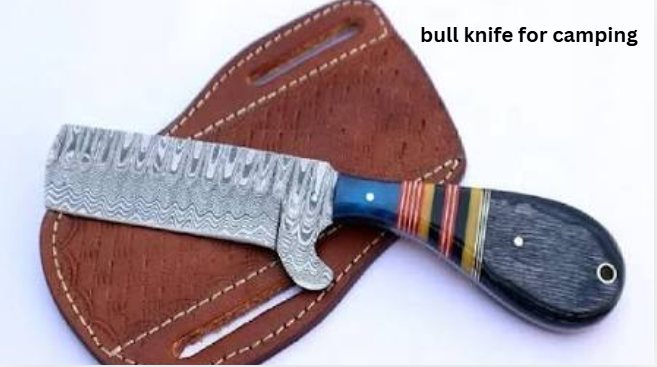
Choosing a bull cutter involves more than finding a design that looks appealing. Blade construction, material, handle comfort, portability, maintenance, and intended use all matter when comparing products. Whether you are exploring folding knives, fixed-blade styles, compact designs, or farm-related tools, review the manufacturer’s specifications and follow appropriate safety guidance. wknhuntinggear encourages customers throughout the USA to make informed decisions, handle knives responsibly, and check applicable laws before purchasing.
Compare the blade material, handle design, dimensions, construction, intended purpose, and maintenance requirements. Review the full product description and seller policies before ordering.
A folding knife has a blade that folds into its handle, while a fixed-blade knife does not fold. Storage, handling, and maintenance considerations differ between these styles.
Follow the manufacturer’s instructions, keep the knife clean and dry, inspect it for damage, and store it securely. Use appropriate precautions when cleaning or sharpening.
Review product specifications, shipping policies, and applicable state and local laws. Confirm that the product’s documented features and intended use match your requirements before making a purchase through wknhuntinggear or another retailer.
No account yet?
Create an Account