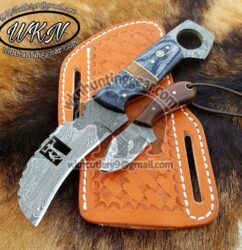
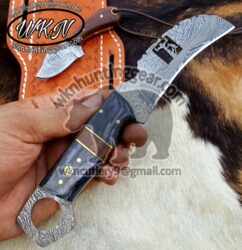
-48%
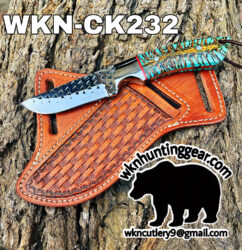
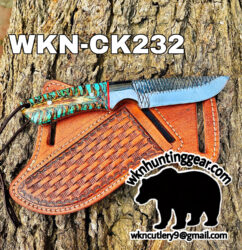
Select options
This product has multiple variants. The options may be chosen on the product page
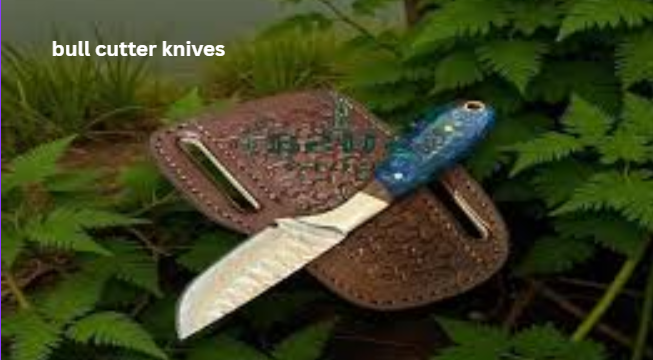
Choosing the right bull cutters starts with understanding their design, materials, size, and intended purpose. At wknhuntinggear, we help readers across the USA explore different knife styles and compare important product features before making an informed decision. Whether you are researching outdoor equipment, expanding a knife collection, or comparing general cutting tools, knowing what to look for can make the buying process easier. From a traditional bull cutter knife to compact folding designs, each product should be evaluated according to its specifications, intended application, and handling requirements.
A bull cutter knife set may appeal to collectors who want to compare several designs, while a bull cutter pocket knife offers a compact format for convenient storage. A bull cutter folding knife features a blade that folds into its handle, whereas a bull cutter fixed blade knife has a blade that does not fold. These styles have different storage, handling, and maintenance requirements, so shoppers should compare construction, dimensions, and manufacturer instructions before choosing a product.
Other product descriptions include the bull cutter hunting knife, bull cutter utility knife, and bull cutter field knife. These terms may describe knives intended for different activities, although features can vary between manufacturers. A bull cutter skinning knife is generally associated with field-dressing applications, while bull cutter cutting tools may refer to a broader range of cutting products. At wknhuntinggear, we encourage USA shoppers to review the details behind each product label instead of making decisions based only on names or promotional images.
When comparing a bull knife for outdoor use, pay attention to blade shape, handle construction, dimensions, and material quality. The bull knife blade design can influence how a knife is suited to particular tasks, while the bull knife handle grip affects comfort and control. Understanding the bull knife blade material can help you compare corrosion resistance, durability, and maintenance requirements. Buyers should also review the steel type and finish of a bull knife steel blade to understand its expected edge retention and sharpening needs.
A bull knife with ergonomic handle may be worth considering if comfort is a priority. However, handle comfort depends on hand size, texture, shape, and individual preference. Anyone researching a bull knife for everyday carry should check state and local regulations covering blade length, concealed carry, locking mechanisms, and restricted locations. Similarly, shoppers looking for a bull knife for camping should compare portability, construction, storage, and suitability for planned outdoor activities. wknhuntinggear recommends reviewing manufacturer specifications and safety guidance before purchasing any knife.
Compact designs can attract shoppers who prefer smaller products that are easy to store. A mini bull cutter may appeal to collectors looking for a compact style, while a mini bull cutter pocket knife offers a pocket-sized format. If you are comparing a mini bull cutter folding blade, examine the opening mechanism, locking features, and manufacturer instructions. A compact bull cutter knife may take up less storage space than a larger model, but its suitability still depends on the Gut Hook Knives intended use and the product’s documented features.
Other details to compare include the dimensions of a small bull cutter blade, the overall weight of a lightweight bull cutter knife, and the storage convenience of a portable bull cutter knife. Buyers should also consider the comfort and construction of the mini cutter knife handle. A smaller knife is not automatically suitable for every situation, so check its specifications and safety requirements before making a decision. At wknhuntinggear, shoppers in the USA can compare measurements, materials, and product descriptions to identify options that fit their preferences.
Some shoppers search for knives described for agricultural or livestock-related applications. A bull cutter tool for livestock should be assessed according to its stated purpose, manufacturer guidance, and relevant animal-welfare requirements. People researching a calf cutter knife may encounter products with different shapes and applications. Reviewing the calf cutter blade specifications and the documented purpose of calf cutting knife tools is important before considering any product for professional use.
The calf cutter knife design can vary across manufacturers, so buyers should not assume that products with similar names serve identical purposes. Anyone researching calf cutter knives for farm use should consult a qualified agricultural professional and follow applicable safety and animal-welfare standards. The broader category of a livestock cutting knife can include products with different specifications, making accurate labeling and responsible handling essential. wknhuntinggear recommends confirming the intended application with the manufacturer before using a knife in an agricultural environment.
When evaluating a durable bull cutter knife, consider its construction, blade material, handle quality, finish, and suitability for the intended purpose. Regular care can help preserve a knife’s condition. Following the manufacturer’s bull cutter knife maintenance instructions may involve cleaning and drying the blade, inspecting the handle and locking mechanism where applicable, and storing the product securely. Sharpening should follow the manufacturer’s recommendations and be performed with suitable safety precautions.
A useful bull cutter knife buying guide should cover blade specifications, handle comfort, dimensions, weight, maintenance needs, seller policies, and warranty information. If you are comparing bull cutter knives USA listings, review shipping restrictions and the laws that apply in your state and locality. Avoid relying only on product photographs or broad marketing claims; read the full description and verify the details that matter to you. At wknhuntinggear, careful research helps buyers compare available options and make more informed purchasing decisions.
Finding suitable bull cutters involves comparing blade design, materials, handle comfort, portability, maintenance, and intended use. Whether you are exploring folding styles, fixed-blade models, compact designs, or farm-related tools, review the manufacturer’s specifications and follow the relevant safety guidance. wknhuntinggear encourages customers throughout the USA to research products carefully, handle knives responsibly, and check applicable laws before purchasing.
Compare blade material, handle design, dimensions, construction, intended application, and maintenance requirements. Review the full product description and seller policies before placing an order.
A folding knife has a blade that folds into its handle, while a fixed-blade knife does not fold. Storage, handling, and maintenance requirements can differ between the two styles.
Follow the manufacturer’s care instructions, keep the knife clean and dry, inspect it for damage, and store it securely. Use appropriate precautions when cleaning or sharpening.
Review product specifications, shipping policies, and applicable state and local laws. Confirm that the product’s documented features and intended purpose match your needs before buying through wknhuntinggear or another retailer.
No account yet?
Create an Account